Last updated: October 29, 2026
Quick Answer: Lights flicker in a house for a few common reasons: a loose bulb, a dimmer-bulb mismatch, a voltage dip, a wiring fault, or a utility-side issue. If the flicker is repeated, widespread, or paired with heat, smell, or buzzing, consult a qualified electrician.
Flickering lights usually mean a loose connection, a dimmer-bulb mismatch, or a voltage change somewhere in the circuit. Sometimes the fix is as simple as tightening a bulb; sometimes it points to wiring, a light fixture, the service panel, or a utility company issue that needs attention. This article explains why lights flicker in a house and what it means, so you can sort a local bulb issue from a problem that may need professional help.
What flickering lights usually mean
Flickering lights mean the light is not getting steady power, even if the bulb itself is fine. In a house, that can come from something local to the fixture, something on the branch circuit, or something upstream in the service panel or utility feed. The pattern matters as much as the flicker itself.
A quick, useful way to think about it is this: if one lamp or one room flickers, the problem is usually local. If several lights flicker together, especially when appliances start, the problem is often a voltage fluctuation. If the entire house has the same symptom, the issue may be at the service panel or on the utility side.
The word “flicker” covers several behaviors. A bulb that blinks once when you turn on a vacuum is different from a kitchen light that pulses all evening. An LED bulb that does a faint strobe on a dimmer switch is not the same problem as a fixture that goes dark for a second and comes back. The first is often compatibility; the second can be a bad connection.
This guide is for a reader trying to sort out the symptom, not for someone trying to rewire a circuit from scratch. If the issue turns out to involve the service panel or wiring inside walls, that is where the line moves from diagnosis to electrician. For a wider safety framework, the home electrical safety basics hub is the right place to start.
Is it just a loose bulb or a bad light fixture?
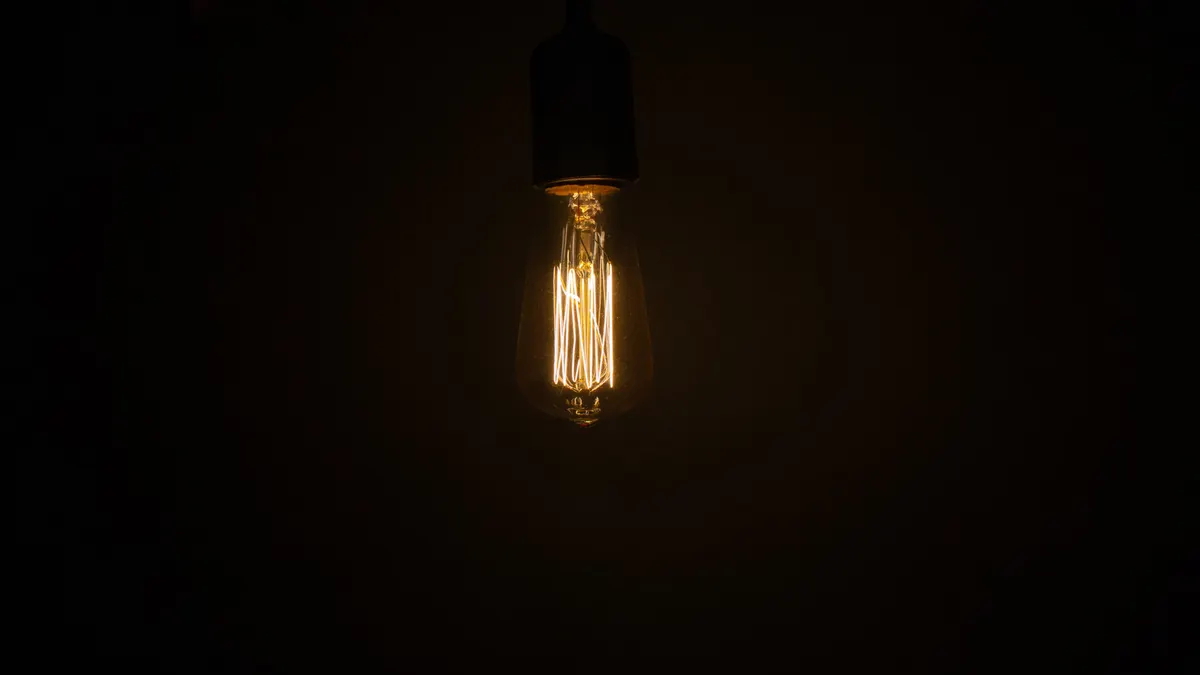
A loose bulb or a worn light fixture is one of the most common local causes, and it is also one of the easiest to miss. An E26 bulb that is not seated firmly, a corroded socket, or a heat-worn lamp holder can interrupt contact for a split second and make the light blink.
Start with the fixture itself before you chase bigger theories.
- Turn the light off and let the bulb cool for at least 5 minutes if it has been on recently.
- Check whether the bulb is snug in the socket, but do not force it past firm contact.
- Look for discoloration, dark spots, or a loose center contact inside the socket.
- If the bulb is an LED bulb, test with a different bulb that is known to work in a steady fixture.
- If the flicker disappears with a different bulb, the original bulb is the likely cause; if it continues, the light fixture or socket is more suspect.
The most useful clue here is isolation. One bulb flickering in one fixture points toward the bulb, socket, or fixture wiring. A fluorescent-style buzz, a burnt smell, or a socket that feels loose is a stronger sign that the fixture itself has aged out. At that point, replacement is often cleaner than trying to nurse it along.
The common mistake is assuming every flicker is “the power.” That assumption can lead to replacing bulbs over and over while the socket still has weak contact. A second mistake is overtightening the bulb. That can crack glass, deform the socket, or damage the lamp holder. Tight enough to seat is enough.
If the fixture is a ceiling light, the problem can also be in the canopy wiring connection above it. I would not treat a repeatedly flickering ceiling fixture as a bulb problem forever; if a new bulb flickers in the same spot, consult a qualified professional and follow the fixture manufacturer’s guidance.
Why do lights flicker when appliances turn on?
Lights flicker when appliances turn on because the circuit voltage dips for an instant as the appliance draws current. A refrigerator compressor, microwave, space heater, or vacuum can cause that dip, especially if the home wiring is long, the connection is loose, or the load is heavy on the same branch circuit.
A brief dimming at startup can happen and is not always a defect. Some flicker is normal when a motor starts. What matters is severity and repetition. A small 1-second dip when an older fridge kicks in is one thing; a whole-room pulse every time the microwave runs is another. If lights in several rooms change together, that points away from the bulb and toward the supply feeding multiple circuits.
The load on the circuit matters because electrical current has to travel through wire, splices, receptacles, and breakers before it reaches the light. Any weak point adds resistance. Resistance turns into heat and voltage drop, which is why a light can dim when a high-draw appliance starts. If the flicker gets worse over time, that is a clue the weak point may be getting worse too.
A useful comparison is to note which appliance triggers the problem. A 1500-watt space heater is much more likely to make lights sag than a phone charger. If the same flicker happens with different appliances, the issue may not be the appliance at all. It may be the wiring, the circuit layout, or the service connection.
The mistake here is to treat every appliance-triggered flicker as harmless. A slight dim on startup can be normal. Repeated, pronounced flicker is not something to ignore, especially if it affects more than one room or comes with buzzing, warm outlets, or a breaker that seems to trip often. I would not leave a pattern like that to “see if it goes away”; consult a licensed electrician if it persists.
Dimmer switches and LED bulbs: the compatibility trap
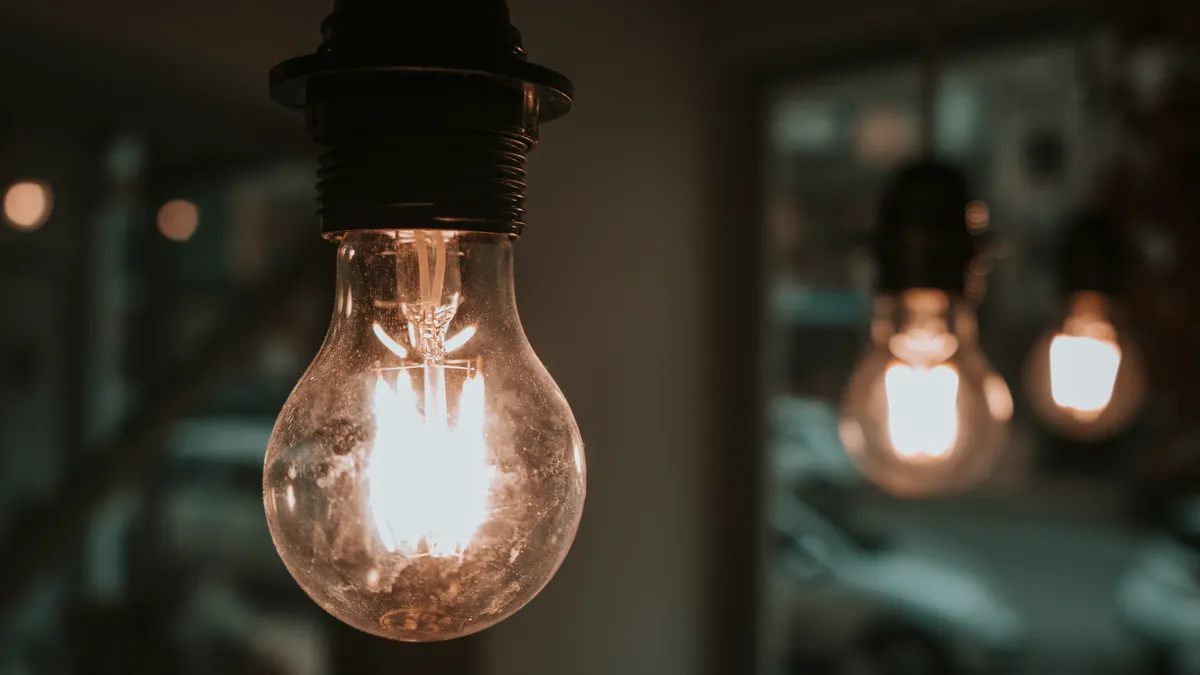
Dimmer switches and LED bulbs are a frequent cause of flicker, and the fix is often compatibility, not wiring repair. Many older dimmers were built for incandescent loads, not for modern LED bulbs that need electronics inside the bulb to regulate light.
This is where the packaging matters. A bulb labeled “dimmable” is not the same as a bulb that will behave well on every dimmer switch. The dimmer itself also matters. LED-compatible dimmers and minimum-load settings vary by model, and mismatched parts can make the light shimmer, pulse, strobe at low settings, or flicker when first turned on.
There are three common signs of a compatibility problem:
- The flicker happens only on one dimmer switch.
- The flicker gets worse at lower brightness settings.
- A different non-dimmable fixture on the same room circuit stays steady.
The practical test is simple. Use the same LED bulb in a standard on/off socket. If it runs steadily there, the bulb is probably sound. Then try a bulb known to work with dimming in that same fixture. If the behavior changes with bulb type, the dimmer compatibility is the likely issue.
A mistake I see often is people buying the cheapest LED bulb available and expecting any dimmer switch to behave. Another mistake is assuming a flicker on a dimmer means the house wiring is bad. Sometimes it does; often it does not. The dimmer can be the wrong type, the bulb can have a poor driver, or the load may be below the dimmer’s intended range.
If the switch was designed years ago for incandescent lamps, replacing the bulb alone may not solve it. In that case, the better fix is usually a dimmer rated for LEDs and matched to the bulb’s control range, rather than forcing an old control to behave.
When flickering points to wiring or the service panel
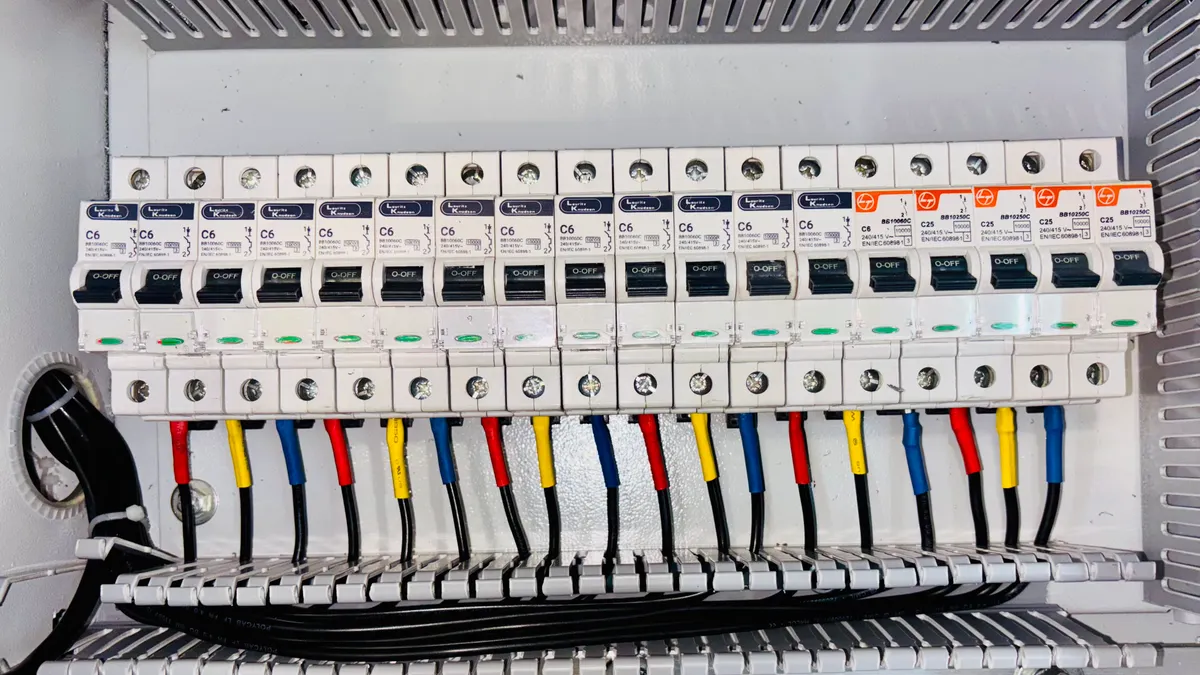
Flickering that affects multiple rooms, comes with buzzing, or changes when you touch a switch can point to wiring problems or the service panel. That is the point where the symptom stops being a nuisance and starts being a clue to something more serious.
Loose splices, backstabbed receptacle connections, worn switch contacts, and failing breaker connections can all interrupt power briefly. So can an issue in the service panel, where one loose feeder or neutral connection can cause lights to vary across several circuits. The term of art you will hear is “loose connection,” and that phrase matters: a loose connection is not just inconvenient, it can heat up under load.
Watch for these patterns:
- Several lights flicker at once instead of one lamp.
- Flicker changes when a large appliance starts.
- Lights brighten in one room while dimming in another.
- The symptom spreads beyond a single fixture or room.
- You notice heat, a crackling sound, or a burning smell.
Those patterns do not prove a specific fault, but they do narrow the field away from a bad bulb. A service panel issue is especially worth taking seriously because it can affect the whole home. The panel is not the place to guess.
This is also where a generic article often goes wrong: it treats “flickering lights” as one symptom with one answer. That flattens very different problems into the same bucket. A loose bulb, a dimmer mismatch, and a failing neutral connection are not in the same risk class, even though the visible symptom is similar.
If the flicker is widespread, intermittent, or getting worse, the responsible move is to have an electrician inspect the circuit path, including the service panel. That is not a scare tactic; it is the point where diagnosis requires tools and access a homeowner usually should not improvise.
Could the utility company be causing the flicker?
Yes, the utility company can be the cause if the flicker happens across the house and shows up on multiple circuits at the same time. That is the signature of a supply-side problem rather than a single bad fixture.
Utility-side issues can include a loose connection at the service drop, a transformer problem, or a voltage fluctuation affecting the neighborhood feed. The clue is scope. If every room behaves the same way and the symptom is not tied to one switch, one dimmer, or one appliance, the problem may be upstream of the home’s own wiring.
The best way to separate utility issues from house wiring is to observe the pattern without trying to fix it blindly:
- Notice whether the whole house flickers or only one room.
- Note whether the flicker happens at the same time every day or when specific appliances start.
- Ask a neighbor whether they see the same thing.
- If the problem is across the whole home and seems external, contact the utility company and describe the pattern clearly.
The neighbor check is useful because a shared problem often means a shared supply issue. If nearby homes see the same symptom, that is strong evidence the utility side should be investigated. If only your house is affected, the problem is more likely inside your system.
The drawback of jumping straight to the utility company is that it can delay a real in-home wiring issue. Use the pattern, not guesswork. Whole-house flicker suggests the utility; single-room flicker suggests the home.
Which flicker patterns are minor, and which mean call an electrician?
Minor flicker is usually brief, isolated, and tied to a known cause such as a loose bulb or a dimmer setting. Serious flicker is repeated, widespread, or paired with heat, smell, sound, or darkening across several rooms.
A simple way to judge the pattern is by this order:
- One bulb, one fixture: usually a local problem.
- One room, one dimmer: often a bulb-dimmer mismatch.
- Several rooms together: possible voltage fluctuation or wiring issue.
- Whole house flicker: possible service panel or utility issue.
- Flicker plus buzzing, warmth, or burning smell: stop treating it as a nuisance.
The plain answer is that flickering lights are not automatically dangerous, but they are not something to dismiss when the pattern changes or widens. A flicker that starts as a small annoyance can be the first visible sign of a failing connection. That is why repeated flicker should not be normalized just because the lights still work.
A generic article would stop at “check the bulb.” That misses the real job, which is to sort symptom from source. A reader needs to know when a new LED bulb is enough, when a dimmer swap is the likely fix, and when the service panel or utility company should be involved. The cost of guessing wrong is more than money; it is time spent ignoring a real wiring problem.
If the symptom is limited and obvious, fix the obvious part first. If it spreads, changes, or comes with other warning signs, I would not keep troubleshooting blindly. That is the point to bring in an electrician.
Key Takeaways
- Flickering lights usually come from a loose bulb, a dimmer mismatch, a voltage dip, a wiring fault, or a utility-side issue.
- One flickering lamp usually points local; many lights flickering together point upstream.
- LED bulbs and dimmer switches are a common compatibility problem, not always a wiring failure.
- Repeated flicker across rooms, or flicker with heat, smell, or noise, deserves an electrician’s look.
- A whole-house flicker can come from the utility company, especially if neighbors notice it too.
Is flickering a sign of bad wiring?
It can be, but not always. Flickering that stays with one bulb or one dimmer often has a simple cause, while flickering that affects several rooms or keeps returning can point to loose wiring, a failing connection, or an issue in the service panel. The pattern is the clue.
Why do lights flicker when appliances turn on?
That usually happens because the appliance draws a lot of current at startup and the circuit voltage dips for a moment. A refrigerator, vacuum, or microwave can do this. If the dip is small and brief, it may be normal. If it is strong or affects multiple rooms, the circuit may need attention.
When is flickering dangerous?
It is more concerning when the flicker comes with buzzing, heat, burning odor, darkening across several rooms, or repeated interruptions. Those signs can indicate a loose connection or another fault that should not be ignored. When the symptom widens or changes quickly, stop treating it as a bulb problem and get it checked.
Drafted with AI; not yet reviewed by a person.