Last updated: October 26, 2026
Key Takeaways
- Warning signs usually show up early; watch for heat, sound, smell, or visible damage.
- The electrical panel shows how power is split and when a circuit is overloaded.
- Outlets and switches should fit tightly, stay cool, and suit the room.
- Use extension cords temporarily, not as permanent wiring.
Residential electrical safety basics matter because early warning signs, everyday limits, and simple habits can keep a home safer. Home electrical safety basics also help homeowners know when a job is no longer DIY. The biggest mistakes are usually simple ones: overloaded extension cords, loose outlets, damaged cords, and guessing at what a breaker means. This guide covers the basics a homeowner can use without opening up live equipment.
Start with the signs that something is wrong
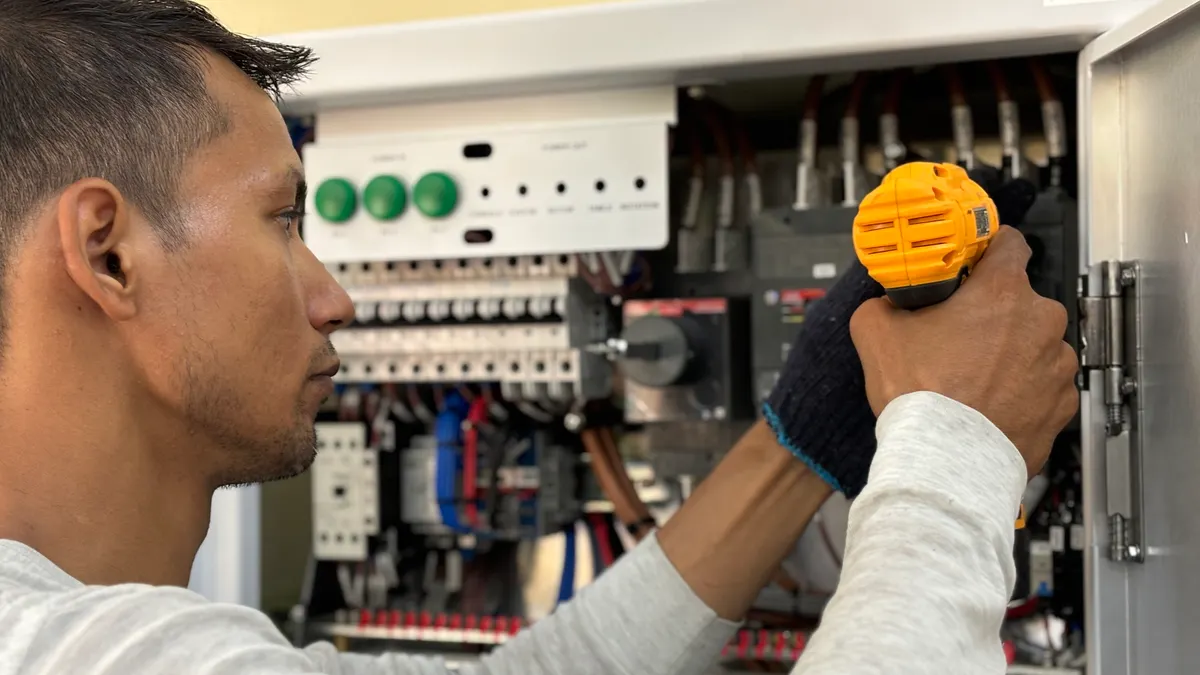
Home electrical safety basics start with noticing trouble early. Electrical problems usually announce themselves before they fail hard, and the warning signs are often visible, audible, or hot to the touch. A burning smell near a receptacle, a switch that feels warm after normal use, repeated tripping of a circuit breaker, buzzing from a wall device, and scorch marks around an outlet all deserve attention. So do flickering lights that happen when a large appliance starts, because that can point to a loose connection or an overloaded circuit.
Treat these signs as a stop signal, not a puzzle, and consult a professional if they repeat or worsen. The U.S. Consumer Product Safety Commission and the National Fire Protection Association both warn that heat, burning odor, and repeated tripping are signs to take seriously. A breaker that trips once after a clear overload may be doing its job. A breaker that trips repeatedly, or a wall plate that is discolored, points to a problem that should not be ignored. The same goes for outlets or switches that crackle, spark, or feel loose when a cord is inserted. Residential electrical safety is less about bravado and more about refusing to normalize repeated symptoms.
A common mistake is covering the symptom instead of the cause. People replace a lamp, plug into a different socket, and move on. That can buy time, but it also leaves the underlying fault in place. The safer move is to stop using that circuit or device until the issue is identified.
The quick rule is plain: if the problem involves heat, smell, smoke, arcing, or repeated breaker trips, stop using the circuit and call a licensed electrician. That is especially true in older homes with two-slot receptacles, brittle insulation, or any panel that still uses fuses instead of breakers.
What the electrical panel can tell you
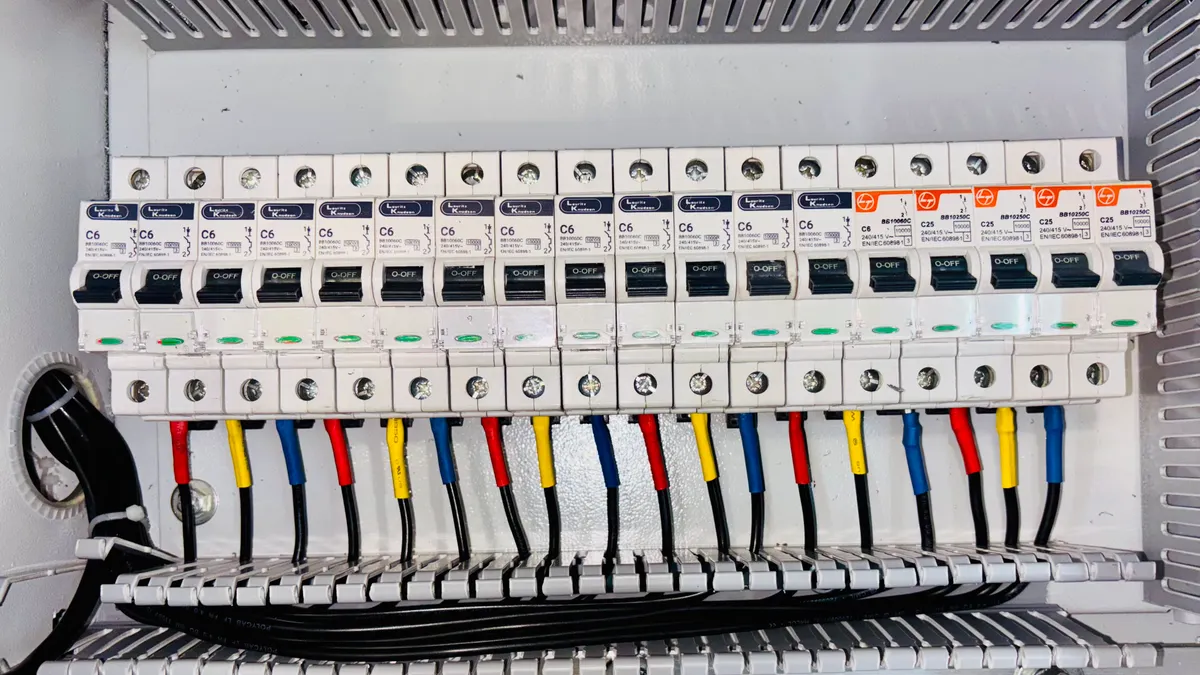
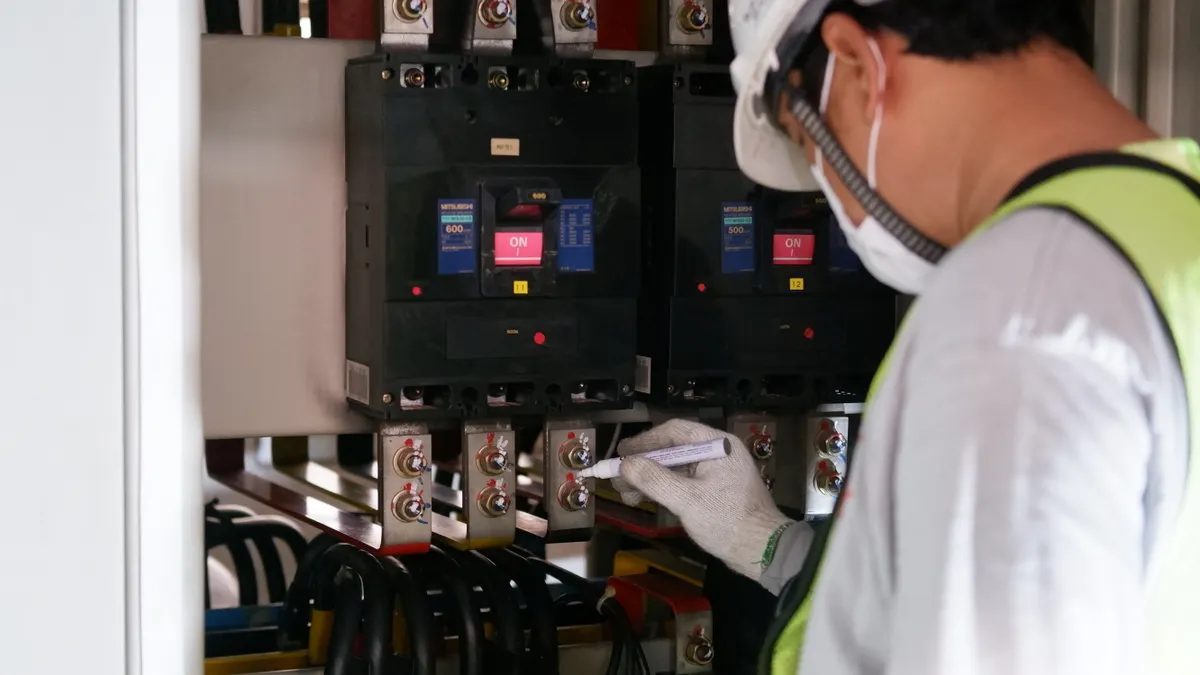
The electrical panel tells you how power is divided through the house, and it can also tell you when the system is being pushed too hard. A typical residential panel contains a main disconnect, branch circuit breakers, and sometimes AFCI or GFCI protection on selected circuits. You do not need to remove the cover to get value from it; a homeowner can safely look at labels, note which breaker serves which area, and watch for signs of heat, rust, or moisture around the enclosure.
One useful habit is to make the panel easy to identify before an emergency. If the labels are missing or vague, improve them from outside the panel door with clear descriptions such as “kitchen counters,” “bedroom outlets,” or “garage.” That is not a glamorous task, but it can save time when a circuit needs to be shut off fast. Keep the door unobstructed and dry. A panel hidden behind storage boxes, in a damp basement corner, or near a water heater deserves extra caution.
Do not confuse a tripped breaker with a broken one. The point of this guide is safety basics, not the reset procedure itself, so the important part is recognizing what a trip usually means: the circuit has seen more current than it should, or a fault has occurred. If a breaker trips once under a known heavy load, the load may be the issue. If it trips again after a normal day of use, something is wrong with the circuit, appliance, or connection.
What should make you stop is heat, noise, or repeated tripping. A panel cover that is warm, a breaker handle that will not stay set, or any smell of burning plastic is not a homeowner troubleshooting project. The same caution applies if you see corrosion, water marks, or insect damage inside or around the cabinet.
For a standards-based overview of home electrical safety and wiring practice, the National Fire Protection Association’s guidance on residential electrical safety is a useful reference, and the U.S. Consumer Product Safety Commission’s electrical safety materials are a second reliable source.
How to use home electrical safety basics for outlets, switches, and GFCI protection
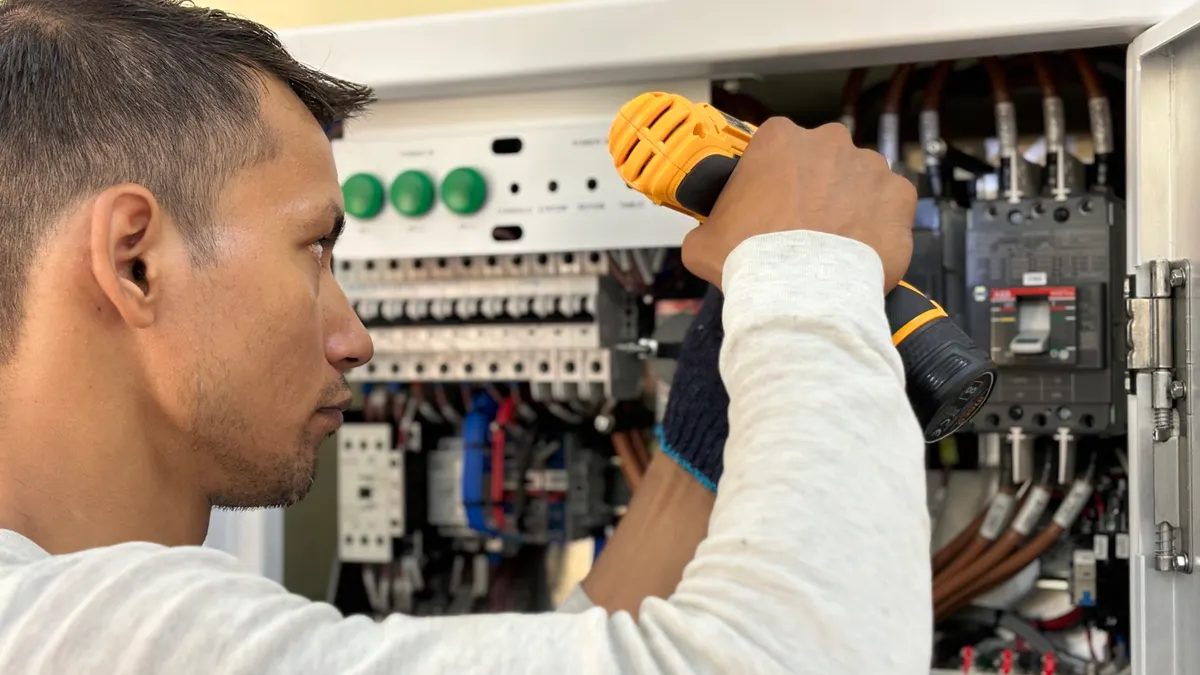
Home electrical safety basics also apply to outlets and switches. Outlets and switches are safe when they fit firmly, stay cool, and match the room they are in. A GFCI outlet is designed for places where water and electricity can meet, such as kitchens, bathrooms, garages, laundry areas, unfinished basements, and outdoor locations. Its job is to shut off power quickly when it detects a ground fault. An AFCI breaker serves a different role: it is intended to help detect dangerous arcing conditions in branch circuits. Homeowners do not need to memorize the circuitry, but they should know that these devices are safety layers, not decorations.
The simplest safety routine is to inspect the device you touch most often. Look for a plug that falls out easily, a switch that feels loose, faceplate damage, discoloration, or a receptacle that is warm after ordinary use. Replace the habit of “it still works” with “does it still fit securely and stay cool?” and consult a professional if the answer is no. Loose contact creates heat, and heat is the enemy; the NFPA and CPSC both treat overheating and damaged receptacles as warning signs.
Here is a homeowner-safe sequence for basic outlet and switch checks:
- Turn off or unplug the device you are using, then look at the faceplate and surrounding wall for darkening, cracking, or a gap that suggests movement.
- Insert a plug once and note the fit. It should seat firmly without wobble or visible sparking.
- After 10 to 15 minutes of normal use, lightly touch the plug or faceplate area. It should feel near room temperature, not warm.
- If the outlet is in a kitchen, bath, garage, basement, or outdoors, confirm that GFCI protection is present and that the device has not been painted over, damaged, or buried behind appliances.
- If a device buzzes, sparks, smells burnt, or feels hot, stop using that outlet and move the load elsewhere until a qualified electrician evaluates it.
A mistake that costs homeowners money and safety is using a worn outlet as if it were merely annoying. The cost is usually damaged plugs, overheated wiring, or a circuit that fails under load. The fix is not to keep pressing harder; it is to replace the worn device properly and inspect the circuit if the problem keeps returning. That is the point where DIY starts to turn into guesswork, and guesswork around electricity is expensive.
Extension cord safety without the shortcuts
An extension cord is a temporary tool, not a permanent wiring solution. That one rule eliminates a lot of bad habits. When a cord is used for a lamp across the room, a holiday decoration, or a short-term project, it is doing its job. When it becomes the normal power source for a refrigerator, space heater, microwave, or workshop setup, the house is telling you the circuit layout no longer fits the load.
The first thing to check is the cord itself. Look for cuts, cracked insulation, bent prongs, loose ends, or taped repairs. A cord that gets hot during normal use is not “working hard”; it is overloaded or damaged. Keep cords out from under rugs, where heat cannot escape and the jacket wears quickly. Do not run them through doorways where the insulation gets pinched every time the door closes.
A safer cord use pattern is simple:
- Choose the shortest cord that reaches the job.
- Keep the full length visible.
- Match the cord to the setting, indoors or outdoors.
- Unplug it when the task ends.
- Replace any cord with cuts, burn marks, or loose connections.
The usual mistake is assuming a power strip and an extension cord solve the same problem. They do not. A strip may add outlets, but it does not make an overloaded circuit safer. Daisy-chaining strips or cords only spreads the problem out physically; it does not reduce the electrical load. The result can be heat at the plug or nuisance tripping. In the worst case, the setup becomes a fire risk.
If a room needs a cord all the time, the house needs a better outlet location or a different circuit arrangement. That is where a professional earns the fee. A permanent fix is cleaner than a trail of cords that people learn to step over.
Common mistakes that make a safe house less safe
The most common electrical mistake is normalizing a warning sign for weeks or months. A flickering light, a warm outlet, or a breaker that trips repeatedly is not background noise. It is the house telling you a circuit is stressed or a connection is failing. Ignoring that signal usually costs more later, because heat damage spreads beyond the first visible mark.
Another mistake is using the wrong device for the location. Indoor-only extension cords on a porch, damaged outlet covers in wet areas, and unprotected receptacles near sinks all create avoidable risk. In rooms with water exposure, the specific safety hardware matters. A GFCI outlet is not optional decoration there; it is part of the basic safety setup.
A third mistake is treating old equipment as harmless because it has “always been that way.” Older homes can have ungrounded receptacles, crowded panels, or aged insulation that looks fine until a load change exposes the weakness. That does not mean every old house is unsafe. It does mean a home’s age deserves respect, especially if appliances trip breakers more often than they used to.
A fourth mistake is opening equipment you do not need to open. Removing panel covers, fishing wires, or trying to “tighten things up” without training can turn a minor issue into a shock or arc flash hazard. The line is simple: look, label, unplug, and stop when the problem moves from visible exterior hardware to internal wiring.
The trade-off is frustrating but real: safe home electrical work is limited. A homeowner can do a lot by observing, reducing load, and keeping equipment in good condition. The work that starts at the panel, behind a device, or inside a junction box is where the risk climbs sharply.
When to stop DIY and call an electrician
Stop DIY work when the problem involves heat, smoke, repeated breaker trips, damaged insulation, water near electrical equipment, or any sign of arcing. Those conditions are not homeowner troubleshooting territory. They are the point where the safest next step is to shut off the affected circuit if you can do so safely, keep people away from the area, and bring in a licensed electrician.
There is also a quieter threshold: if you cannot identify what a breaker serves, if an outlet is loose enough that plugs fall out, or if several rooms seem to share one overloaded circuit, the work has moved beyond simple maintenance. A professional can trace the circuit, test the wiring, and judge whether the issue is a worn device, a failed connection, or a bigger system problem. That matters because the same symptom can come from very different causes.
Do not call every nuisance an emergency, but do take symptoms seriously. A single device that stopped working may be a failed appliance. A breaker that trips every time a vacuum or space heater starts is a load issue that needs attention. A breaker or outlet that is hot, buzzing, smoky, or visibly damaged is not a wait-and-see situation.
The honest limitation of this guide is that it does not make a homeowner into an electrician. It is for the person who wants to stay safe while using the house normally, not the person planning to replace outlets, rewrite circuits, or open panels. That boundary is a strength, not a weakness. It keeps the work in the zone where a careful non-electrician can help without taking on hidden risk.
The National Electrical Code, published by the NFPA, is the core standards reference many electricians work from, but homeowners usually need the plain-language version: if the equipment is hot, damaged, wet, or repeatedly tripping, stop.
How do I spot electrical trouble before it gets serious?
You spot electrical trouble by watching for heat, smell, noise, looseness, and repeated trips. A warm outlet, a breaker that trips more than once, buzzing from a switch, or scorch marks around a receptacle are all early warnings. A single odd event may be minor, but a pattern means the circuit or device needs attention.
What are the signs of unsafe wiring?
Unsafe wiring often shows itself through flickering lights, frequent breaker trips, burning smells, discolored wall plates, or outlets that feel loose or hot. A house that still has old, damaged, or water-exposed electrical parts deserves extra caution. If wiring symptoms show up in more than one room, the issue may be wider than one device.
How do i know if my outlet is dangerous?
An outlet is dangerous if it sparks, smells burnt, feels warm, looks cracked, or no longer holds a plug firmly. A GFCI outlet that will not reset or one that is damaged near water also deserves attention. If any of those signs show up, stop using that outlet and move the load elsewhere until it is checked by an electrician.
When should I call an electrician?
Call an electrician when you see heat, smoke, repeated breaker trips, buzzing, water damage, or any sign of arcing around a panel, outlet, or switch. You should also call if a circuit cannot handle normal household use without tripping. These problems are not routine fixes for a homeowner and can worsen quickly if ignored.
Drafted with AI; not yet reviewed by a person.