Last updated: October 26, 2026
Quick Answer: In most homes, the fastest way to tell how to tell if an outlet is bad or just not working is to check whether a nearby GFCI reset restores power; if it does not, use a plug-in tester and a multimeter to confirm whether the receptacle has about 120 volts or a wiring fault.
If one outlet is dead, the fastest question is not “is the outlet bad?” but “is the problem at the outlet, the GFCI feeding it, or the receptacle itself?” A dead duplex outlet can look broken when the real issue is a tripped GFCI, a loose connection downstream, or a worn-out receptacle face that still has power behind it. In this article on how to tell if an outlet is bad or just not working, the goal is to separate a dead circuit from a failed receptacle before you assume the worst.
Key takeaways
- A dead outlet is not automatically a bad outlet. A tripped GFCI or an upstream connection can cut power to several receptacles at once.
- Start with a plug-in outlet tester, then confirm with a multimeter if the reading is unclear.
- Burn marks, heat, loose plugs, and a wobbly face are stronger signs of a bad receptacle than “nothing powers on.”
- If the outlet loses power only when a GFCI trips, the receptacle may be fine and only the protected circuit needs a reset.
- A receptacle that is cracked, scorched, or physically loose should be treated as failed, even if it still works part of the time; if you are not trained to open the box safely, consult a professional electrician and follow the manufacturer’s instructions for the device.
What you need first before you start
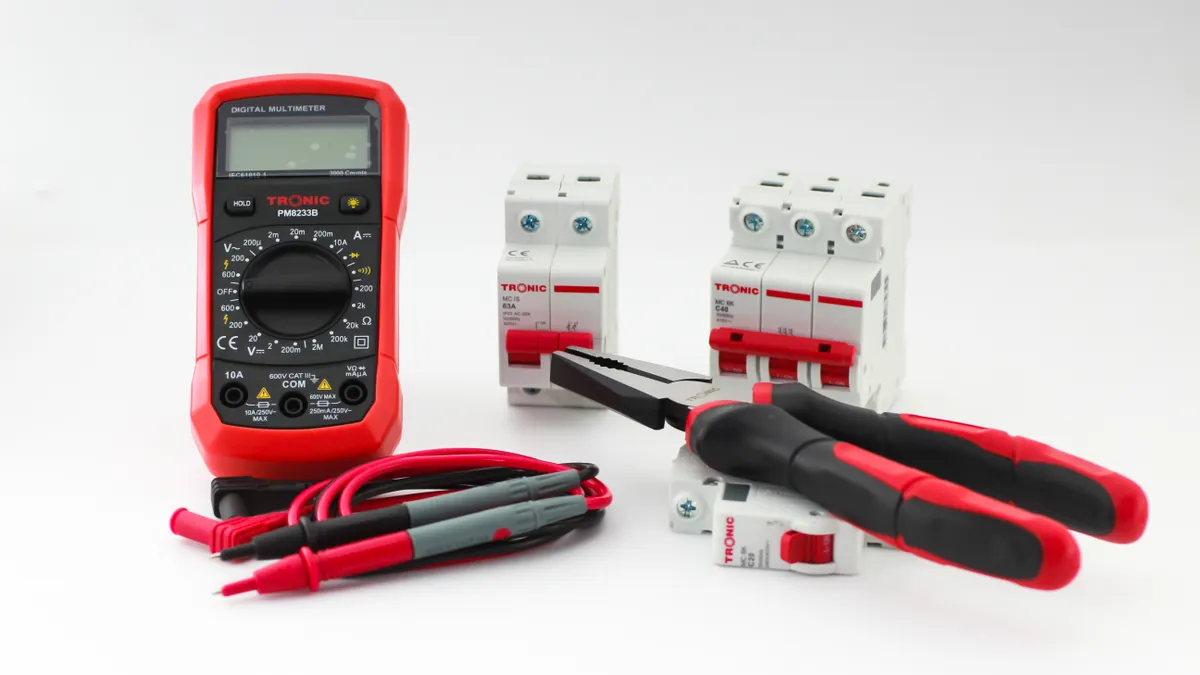
You need a plug-in outlet tester, a flashlight, and if possible a multimeter set for AC voltage. A simple $10-to-$20 outlet tester is enough to separate a dead outlet from a wiring issue in many homes; the multimeter gives a clearer answer when the tester’s lights are confusing. This is the right starting point for a standard 120-volt duplex outlet in a home.
Before you touch anything, look at the outlet itself. A clean face with a tight plug fit points one way; scorch marks, melted plastic, or a loose yoke point another. If you see blackening around the slots or hear crackling, stop using that receptacle at once. That is not a “maybe,” and if the outlet is warm or damaged, consult a licensed electrician before using it again.
Is the outlet actually dead, or is a GFCI feeding it off?
A tripped GFCI can make a perfectly good outlet seem dead. In many homes, one GFCI outlet in a bathroom, garage, basement, laundry area, or outdoor location protects several downstream receptacles. If that upstream device trips, the “dead” outlet loses power even though the receptacle itself is not the failure.
Start by finding any nearby GFCI outlets with TEST and RESET buttons. Press RESET firmly once. If it stays in, plug in a lamp or outlet tester at the dead receptacle. If power comes back, the outlet was not bad; the circuit was interrupted by the GFCI protection.
If the GFCI will not reset, the outlet downstream will stay dead too. That usually means the protected branch still has a fault, a loose connection, or another tripped device on the same circuit. A reset that immediately pops back out is a clue, not a cure; if that happens, consult a professional electrician and follow the device instructions. Do not force it to stay in.
A good clue is scope. If one outlet is dead but the other receptacles in the room work, the problem may be local to that box or to a single downstream leg. If several nearby outlets are dead together, a GFCI or an upstream connection is more likely. This is the first fork in the road, and it saves time.
How to tell if a tripped GFCI is the whole problem
A tripped GFCI is the whole problem when resetting it restores power and the outlet tester lights up normally. That is the cleanest result you can get on this job. The dead outlet should come back to life right away, and any lamp or charger plugged into it should work again.
Use this short sequence:
- Plug a lamp or outlet tester into the dead receptacle. If nothing powers on, keep the device in place.
- Find the nearest GFCI outlet and press RESET. If it will not stay reset, note that fact.
- Go back to the dead receptacle and check the tester or lamp again. If it works now, the GFCI was the cause.
- If it still does not work, inspect other GFCI outlets in the area and reset each one once.
- If none restore power, move on to the outlet itself or the wiring feeding it.
What you should see when this works: the GFCI button stays in, the outlet tester shows a normal pattern, and the lamp comes on without flicker. If the tester pattern changes but still shows an open ground, reversed hot/neutral, or another fault, the receptacle may be live but miswired. That is not the same as “dead,” and if the pattern is unclear, consult a professional electrician.
A common mistake is assuming one GFCI controls only the bathroom or only the garage. In real homes, the protected outlets can be spread out. The cost of that assumption is time: you chase the wrong box and miss the actual reset point. The better move is to check every GFCI you can find on that branch before opening anything.
How to use an outlet tester and multimeter to separate “bad” from “not working”
An outlet tester tells you whether the receptacle has the basic hot, neutral, and ground arrangement; a multimeter tells you whether it has voltage at all. Use both if the result is unclear, because they answer slightly different questions.
Plug the outlet tester into the outlet. If no lights come on at all, the receptacle may be dead or the tester may be bad. If the tester shows a normal wiring pattern, the outlet is not dead even if something else on the circuit is wrong. If it shows an “open ground,” “open neutral,” or “hot/ground reversed” pattern, the receptacle may still pass power but the wiring is not right.
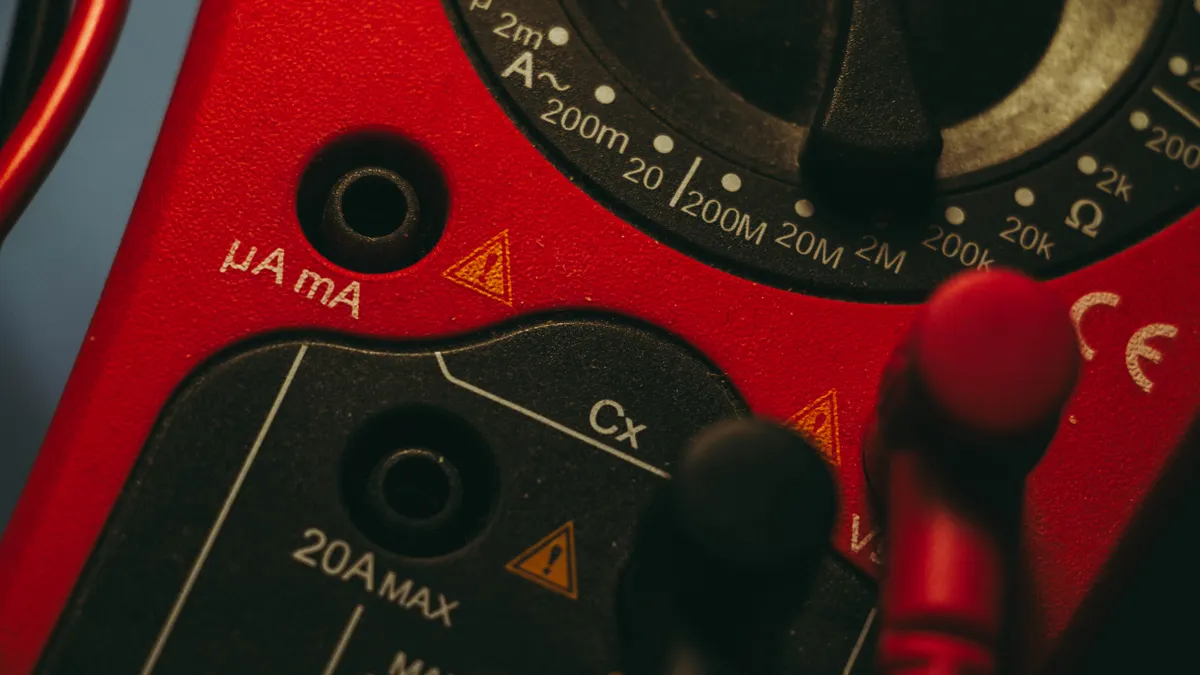
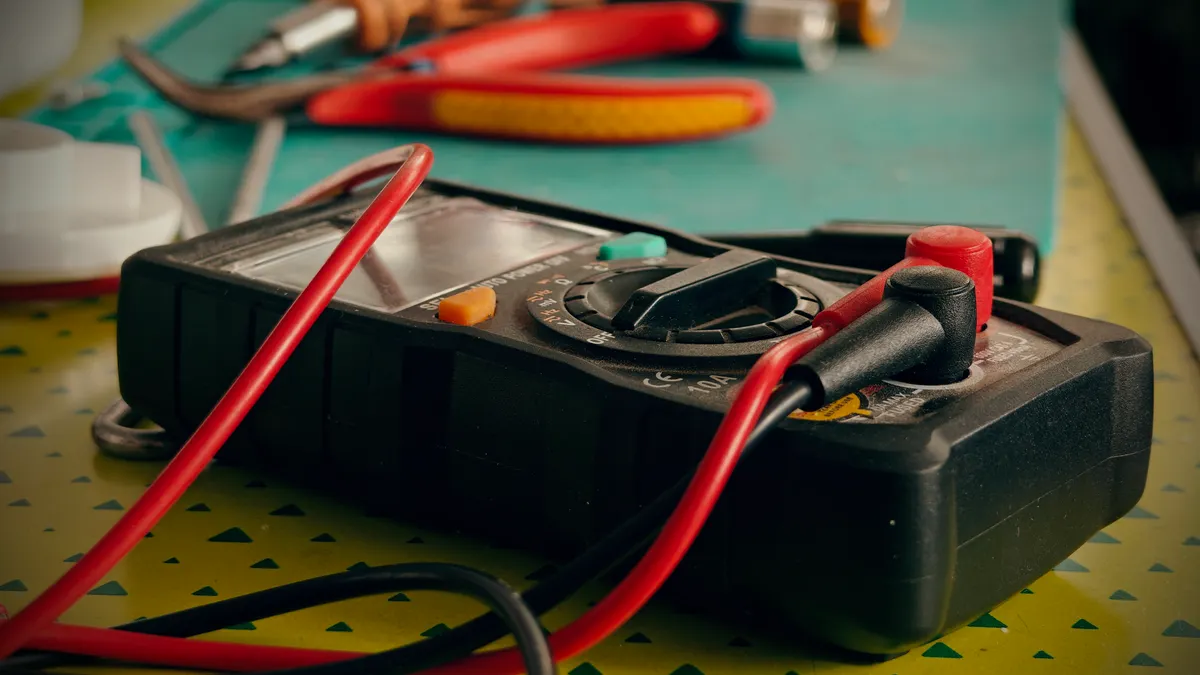
Then use a multimeter set to AC volts. On a standard 120-volt receptacle in the U.S., measure between the narrow slot and the wider slot. You should see about 120 volts if the outlet has power. Measure from hot to ground as well; that helps distinguish a bad neutral from a dead circuit. If you get voltage hot-to-ground but not hot-to-neutral, the neutral path may be open somewhere upstream.
What this means in plain terms: a multimeter can prove the outlet has power, but it cannot prove the outlet is mechanically healthy. A loose receptacle can still read 120 volts and still fail when a plug is inserted. That is why the plug fit matters.
If the tester reads normal and the multimeter shows voltage, the outlet is working electrically. If a charger still will not run, the problem is more likely the device, cord, or a loose connection that only fails under load. A no-load voltage reading is useful; it is not the whole story.
Signs the receptacle itself is bad
A receptacle is bad when the face, grip, or internal contacts have failed, even if the circuit still has voltage. Burn marks, melted plastic, a hot faceplate, or a plug that falls out are the strongest signs. A duplex outlet that feels loose enough to move in the box is also suspect, because the connections inside may be stressed.
Look closely with a flashlight. Brown streaks around the slots, warped plastic, or a dark spot near one side of the outlet usually mean heat damage. That is a real failure sign, not cosmetic damage. A cracked face or a loose yoke can let the wiring shift behind the cover and make the fault intermittent.
Another clue is behavior under movement. If a lamp works only when the cord is held at a certain angle, the receptacle or its back-wire connection may be worn or loose. That kind of intermittent contact can turn into arcing, which creates more heat and more damage. A receptacle that works “most of the time” is not good enough if it needs finesse.
This is where a generic article often goes wrong: it treats “there is power” as the same thing as “the outlet is fine.” A bad outlet can still pass a tester once and fail the next time, especially if the spring contacts inside are worn. A tight plug grip matters as much as voltage, and if the outlet is warm or crackles, consult a professional electrician before using it again.
Dead outlet causes that point beyond the outlet box
A dead outlet can be caused by a loose wire in the upstream box, a failed back-stab connection, or a tripped device on the same circuit. In a typical daisy-chain run, one loose neutral or hot at an earlier receptacle can kill everything downstream while the dead outlet itself looks innocent.
The pattern matters. If a row of outlets went out together after someone plugged in a space heater or vacuum, the issue may be upstream, not at the last dead receptacle. If the outlet died after a brief spark, pop, or burning smell, the connection may have overheated before failing. If the outlet works one day and is dead the next with no GFCI trip, a loose conductor is a strong possibility.
Back-stabbed connections are a common weak point in older residential wiring. On some receptacles, the conductor is pushed into a spring clip rather than wrapped securely on the side screw. Those clips can loosen over time, especially on circuits that see repeated plugging and unplugging. That does not prove the outlet is bad by itself, but it does explain why a nearby receptacle can fail while the face still looks normal. If you suspect that kind of connection failure, consult a professional electrician.
A quick comparison helps. If the outlet tester shows no power, the GFCI is reset, and neighboring outlets are also dead, the fault is likely not the receptacle face alone. If the tester shows power but the plug is loose and the face is scorched, the receptacle itself is the problem. Those are different failures with different fixes.
When the outlet should be treated as failed and left alone
An outlet should be treated as failed when it shows heat damage, repeated tripping, or a loose fit that causes intermittent power. A receptacle with visible burn marks or melted plastic is not a troubleshooting candidate; it is a replacement candidate. A professional electrician should handle that work if you are not trained to open a box safely, and you should follow the manufacturer’s instructions for the replacement device.
Do not keep testing a receptacle that smells hot, crackles, or feels warm after a device has been unplugged. That is not normal wear. Do not keep plugging in chargers “just to see” whether it comes back. The cost of being casual here is more heat and more damage inside the box.
This page fits under the broader home electrical safety basics guide, because the goal is not just to find power; it is to decide whether the outlet is usable. If the outlet passes every test and looks clean, the problem is probably elsewhere on the circuit. If it fails any of the physical checks, treat it as bad even before you sort out the rest of the wiring. For more on circuit protection and safe diagnosis, see the U.S. Consumer Product Safety Commission and the National Electrical Code guidance from NFPA.
Why would one outlet stop working?
One outlet can stop working because the GFCI that feeds it tripped, a loose connection opened upstream, or the receptacle itself failed. The pattern tells you which one is most likely. If nearby outlets also died, look for a shared cause. If only one outlet failed and it has burn marks or a loose grip, the receptacle itself is the stronger suspect.
How do I test an outlet safely?
Use a plug-in outlet tester first, then a multimeter set to AC volts if you need a clearer reading. Keep your hands off bare conductors, and test only at the receptacle face with dry hands and intact tools. If you see scorch marks, heat, or a crackling sound, stop and treat the outlet as unsafe until it is inspected. The CPSC recommends replacing or repairing damaged outlets rather than continuing to use them.
When should I replace an outlet?
Replace an outlet when the receptacle is loose, scorched, cracked, or fails to hold a plug securely. Replace it also if testing shows intermittent power that returns only when the cord is moved. A GFCI reset that restores power is not a replacement trigger by itself, but physical damage or repeated failure means the receptacle should come out of service. If there is any doubt, consult a licensed electrician and use a qualified source such as the CPSC or NFPA for electrical safety guidance.
Drafted with AI; not yet reviewed by a person.