Last updated: October 26, 2026
Key Takeaways
- Keep the area dry, use a flashlight, and clear access to the panel.
- Reset by moving the breaker fully to OFF, then back to ON.
- A breaker trips when the circuit draws too much current or a fault occurs.
- If it trips again after one careful try, stop and remove the cause first.
A tripped circuit breaker is usually reset by switching it fully off, then back on, after you turn off or unplug the load that caused the trip. If the breaker trips again right away, stop and treat it as a deeper circuit problem; consult a qualified electrician or your local utility if needed.
What you need before you touch the breaker
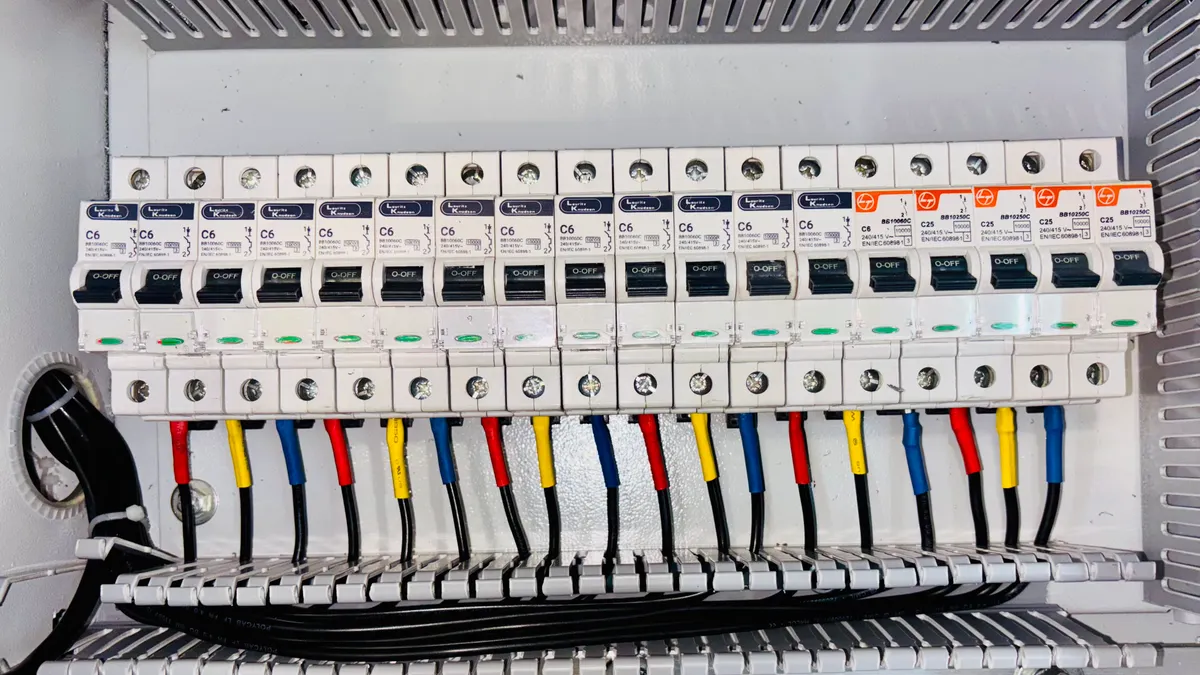
You need a flashlight, dry hands, and a clear path to the breaker panel. A breaker panel is often in a utility room, basement, garage, hallway closet, or outside on an exterior wall, and the cover will usually show rows of single-pole breakers plus a larger main breaker at the top or side.
Use a flashlight instead of a phone light if the room is dark. You want both hands free, and you do not want to fumble near live metal parts in a cramped 12-inch-deep panel space. If the floor is wet, wait. If you are standing in water, stop immediately.
Before you open the panel door, look for any sign of burning, melted plastic, scorch marks, or a hot smell. Those are not “try again” clues. They are stop signs.
The breaker you reset will most often be a single-pole breaker for a regular 120-volt circuit, such as lights or outlets. The larger main breaker controls power to the whole panel. If the main breaker has tripped, the fix is still a reset, but the stakes are higher because the whole panel went down.
If you do not know which breaker tripped, do not start flipping random switches. That is how people turn one nuisance trip into three separate problems. First identify the tripped breaker by the handle position: many sit between ON and OFF or show a red or orange indicator window, depending on the panel model.
How to reset a tripped circuit breaker
Reset it by moving the breaker handle all the way to OFF, then firmly back to ON. That full off-then-on motion is the part many people miss.
-
Turn off or unplug the devices on the affected circuit.
Switch off lamps, space heaters, appliances, chargers, or tools tied to that breaker. If the circuit serves a room, unplug what you can. You should end up with no obvious load drawing power from that branch circuit. -
Go to the breaker panel with a flashlight.
Open the panel door and find the breaker whose handle sits halfway, feels loose, or is not aligned with the others. In many panels, the tripped breaker is visibly out of line by a few millimeters. -
Push the breaker handle fully to OFF.
Move it until it clicks into the OFF position. If it was already OFF, leave it there and do not force it. -
Switch the breaker back to ON.
Push the handle firmly to ON. When it works, the handle stays in place and power returns to the circuit. Lights come back on, outlets read live, or appliances start up again. -
Restore the load one item at a time.
Plug things back in or turn devices on separately. If the breaker trips again when one item starts, that item may be part of the problem. If it trips when several devices run together, the circuit is likely overloaded. -
Watch the circuit for a few minutes.
If power stays on for 5 to 10 minutes and the breaker remains set, the reset held. If it trips again immediately or within a short time, stop resetting it repeatedly.
That sequence is the whole job. The breaker’s purpose is to shut off power when a circuit draws too much current or has a fault, so a successful reset should give you normal power without warmth, buzzing, or repeated tripping.
Why a breaker trips in the first place
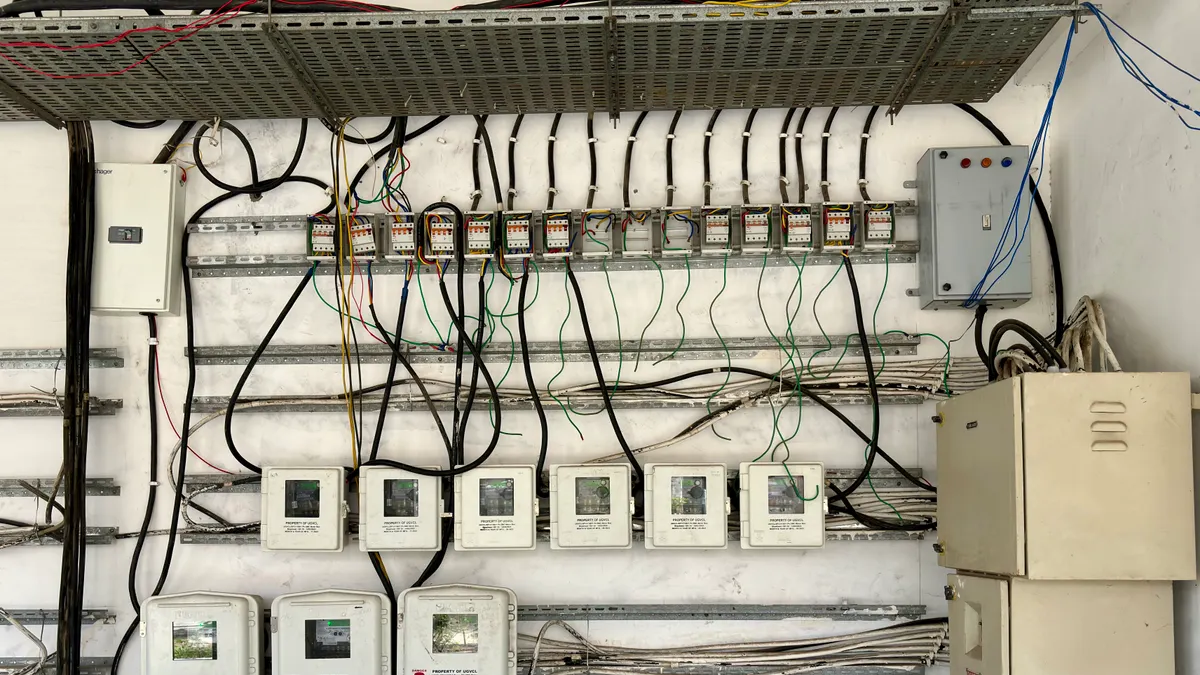
A breaker trips because the circuit pulled more current than it was designed to carry, or because a fault made the breaker do its job. Overloaded circuits are the common version: too many devices on one 15-amp or 20-amp branch circuit, or one heavy appliance starting up on a weak circuit.
The telltale sign of an overload is a breaker that trips after several minutes of use, not instantly. A hair dryer, vacuum, toaster, portable heater, or microwave can push a branch circuit toward its limit, especially when other loads are already running. The fix is not to “reset harder.” The fix is to reduce the load. According to the U.S. Consumer Product Safety Commission, many home electrical problems are tied to overloaded circuits and worn cords, not just the breaker itself.
Short circuits and ground faults are different. Those can trip a breaker as soon as the device turns on, and the breaker may trip again even after you reset it. A damaged cord, a failing appliance, or wiring insulation that has broken down can all cause that behavior.
The panel itself can also matter. A breaker that is loose in the bus bar, damaged, or worn out may not stay set. A main breaker that trips is a bigger event than a single branch breaker tripping, and repeated trips at the main level deserve more caution because they can affect the whole home.
Here is the practical rule: one trip may be a load issue; repeated trips point to a fault, a bad appliance, or a circuit that needs attention. Do not keep forcing the same breaker back on 5, 6, or 10 times. That turns a protective device into a source of confusion.
What to do when the breaker keeps tripping
Stop resetting it and remove the cause before you try again. A breaker that trips twice in a row is telling you the problem is still there.
Start by unplugging everything on that circuit, then reset the breaker once more. If it stays on with no load, plug devices back in one at a time and wait a minute or two between each one. The item that makes it trip is the likely culprit. That is often an appliance with a motor, a space heater, or a circuit that simply carries too much at once.
If the breaker trips the moment you reset it, even with everything unplugged, do not keep trying. That usually points to a short circuit, a ground fault, or a breaker problem. The same warning applies if the handle feels sloppy, the panel smells hot, or the breaker is warm to the touch after a trip.
Do not swap the breaker with another one just to see what happens. That is not troubleshooting; it is creating risk inside the panel. Do not tape the handle in place, wedge it, or use a tool to hold it on. A circuit breaker that trips has done its job.
If you are dealing with an outdoor panel or a panel in a damp area, moisture can make repeated trips worse. A breaker panel is not a place to keep working if the space is wet, corroded, or visibly damaged.
The honest cutoff is simple: if a breaker trips again after one careful reset and a clean restart with loads removed, the problem is deeper than a nuisance trip. That is the point to stop and consult a professional.
Common mistakes that make the trip worse
The biggest mistake is flipping the breaker halfway back on. That costs you nothing visible at first, but it often leaves the breaker in its tripped state or creates a false reset.
Another mistake is restoring every device at once. That turns a 10-second check into a fresh overload. Put the load back in stages. If a 1,500-watt space heater and a microwave are on the same circuit, one of them may need to stay elsewhere.
A third mistake is touching the panel with wet hands or while standing on a damp floor. The price of that mistake is obvious. Dry hands and dry footing are not optional.
People also misread the panel and reset the wrong breaker. That leaves the dead circuit dead and may trip a different circuit while the original problem stays hidden. If the handle position is unclear, use the panel directory on the inside of the door if it exists, but do not rely on a label that may be outdated by years.
Finally, some people assume a breaker that trips once can be ignored. A one-time trip after a clear overload is common. A breaker that keeps tripping is not normal. That difference matters.
For more context on staying safe around household electricity, see home electrical safety basics.
When a tripped breaker is not a simple reset
Treat it as a professional issue if the breaker will not reset, trips instantly, or trips again after the load is removed. That is especially true for a main breaker, because a problem there can affect the entire panel and multiple circuits. The Electrical Safety Foundation International also advises getting help when a breaker repeatedly trips or will not stay on.
Other warning signs include buzzing from the panel, scorch marks, a burning smell, heat on the breaker handle, or visible damage to insulation, outlets, or cords on the circuit. Those are not normal trip symptoms. They suggest a fault that needs diagnosis, not repeated flipping.
There is also a limit to what a reset can solve. A breaker can protect the circuit, but it cannot repair damaged wiring, replace a failed appliance, or fix a breaker that has aged out of reliable service. If the same breaker trips after a few minutes every time you run a specific device, that device or circuit likely needs attention.
A common edge case is a breaker that looks set but the circuit still has no power. In that case, the handle may not have fully latched, or another breaker—possibly the main breaker—may also be off. Check the handle position carefully once, not repeatedly. If the breaker still will not stay set, stop there.
The right decision point is practical, not dramatic: one reset is reasonable, a second careful attempt after removing loads is reasonable, but repeated trips mean the circuit needs more than a reset. That is where troubleshooting ends and deeper electrical work begins.
Why does my breaker keep tripping?
A breaker keeps tripping because the circuit is still overloaded or because a fault is still present. If it trips after several minutes, the circuit may be carrying too much load. If it trips immediately, a short circuit, ground fault, or bad appliance is more likely. Repeated trips are a signal to stop resetting and isolate the cause.
Is it safe to flip a breaker back on?
Yes, if the area is dry, the panel shows no damage, and you reset only the affected breaker after reducing the load. The first sentence is the key: a breaker can be reset safely when the circuit conditions look normal. If you smell burning, see scorch marks, or the breaker trips again at once, do not keep trying.
What if the breaker will not reset?
If the handle will not stay on, turn it fully off once more and leave it there. A breaker that will not reset may be dealing with a short, a ground fault, a damaged device, or a breaker that has failed. If the same problem returns after you unplug everything on the circuit, the issue is beyond a basic reset and needs professional attention.
Drafted with AI; not yet reviewed by a person.