Imagine this: You’re rushing home after a long day, picturing a freshly brewed coffee and a perfectly chilled beverage. But you forgot to program your 680 home appliances! Sound familiar? We’ve all been there. This guide explores the latest advancements in 680 home appliances and how they can simplify your daily routines. You will explore how to integrate smart devices and optimize your home for comfort and efficiency, ultimately saving you time and money. This exploration will help you make informed decisions when upgrading or purchasing new appliances and making your home a place of effortless comfort.
Key Takeaways
- Learn about the different types of 680 home appliances available.
- Discover the benefits of smart appliance technology for your home.
- Understand how to choose the right appliances for your needs.
- Explore energy-saving features of modern appliances.
- Find ways to effectively maintain your home appliances.
- Examine the future of smart home integration.
Exploring the World of 680 Home Appliances
The world of home appliances has transformed significantly over the years, offering more features and conveniences. From cooking and cleaning to entertainment and climate control, 680 home appliances provide the tools needed to make everyday life easier. This section will introduce various types of 680 home appliances and discuss their functions. The goal is to provide a detailed look into the wide range of appliances available, providing a strong basis to explore the benefits and practical uses of each type.
Kitchen Appliances
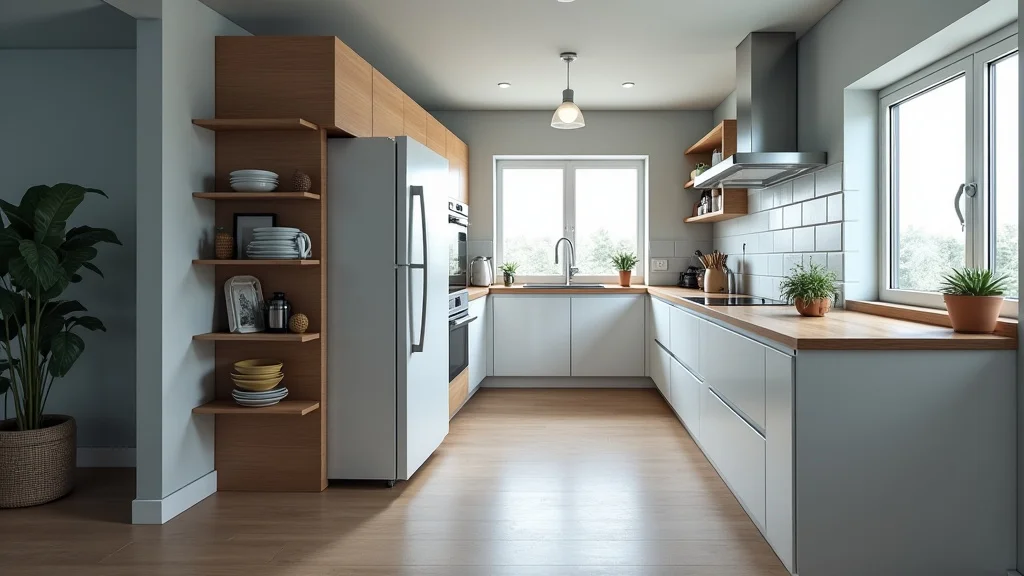
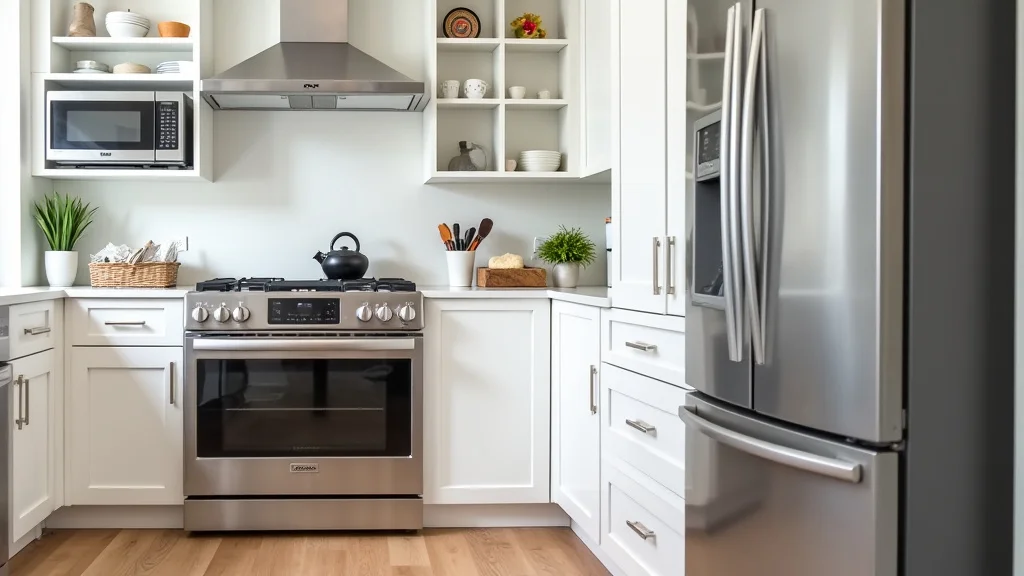
Kitchen appliances are central to any home, playing a vital part in food preparation and storage. Modern appliances are designed for efficiency, convenience, and style. From refrigerators that manage food inventory to smart ovens with built-in cameras, innovation makes food preparation and kitchen tasks more effortless. We will discuss the features and functions of essential kitchen appliances, from the basics like refrigerators and ovens to advanced appliances.
- Refrigerators: Modern refrigerators offer more than just cooling; they come with features like adjustable shelves, built-in water dispensers, and smart controls that allow temperature monitoring.
- Ovens: Ovens have transformed to become cooking centers. Smart ovens provide preset cooking programs, temperature control, and even self-cleaning functions.
- Dishwashers: Dishwashers are efficient appliances that provide a powerful cleaning experience. They offer various cycles for different load types and sizes.
- Microwaves: Microwaves are now more than just re-heaters; they offer several cooking options. Sensor cooking and preset programs help simplify meal prep.
Refrigerators have also grown to include features like humidity-controlled drawers, and some even have separate compartments for preserving specific food items, such as meat or vegetables. Newer models incorporate Wi-Fi connectivity, enabling users to manage their refrigerators remotely via a smartphone app. You can monitor the temperature, receive alerts if the door is left open, or even check the contents of your fridge through built-in cameras. Smart refrigerators aim to minimize food waste by alerting you when supplies are getting low.
Ovens are evolving with features like convection cooking, which ensures even heat distribution, and steam cooking, which retains moisture in foods. Some high-end ovens have built-in probes for monitoring internal food temperatures, while others integrate air frying for healthier cooking options. Smart ovens can connect to your home’s Wi-Fi network. This allows remote control through a smartphone app, enabling you to preheat the oven on your way home or monitor cooking progress from another room. Voice control functionality using virtual assistants is available, allowing you to control the oven with your voice.
Dishwashers have moved on from basic washing to energy-efficient cycles, water-saving options, and a variety of wash settings designed for specific needs. Modern dishwashers often have adjustable racks, allowing users to load dishes more easily and accommodate larger items. Some models have advanced drying systems, such as condensation drying or fan-assisted drying, to ensure dishes are completely dry at the end of the cycle. Smart dishwashers can often be operated with smart devices. They let you monitor the cycle status, receive alerts when the dishwasher is finished, or even purchase new dishwashing tablets with a click.
Microwaves offer features like sensor cooking, which automatically adjusts cooking time based on the food’s moisture content, ensuring your meals are properly cooked. There are now microwaves that incorporate convection heating for baking and roasting, as well as features such as grill functions for adding a crispy finish to your food. Some models are integrated into the kitchen design, such as over-the-range microwaves that save space. Smart microwaves may provide remote control through apps, allowing you to start cooking meals even when you’re not at home.
Laundry Room Appliances
Washing machines and dryers have become essential appliances for handling household laundry tasks. Innovations in laundry technology have focused on efficiency, water and energy saving, and user-friendly features. Today’s models provide faster, gentler cleaning, while also using less water and electricity than older models. This segment delves into the key aspects of laundry appliances, including washing machines, dryers, and their advanced features.
- Washing Machines: Washing machines offer various wash cycles, from gentle hand wash programs to high-intensity cleaning. They also provide water-saving options.
- Dryers: Modern dryers use sensor technology to prevent over-drying, preserving the clothes. They also have various heat settings and automatic features.
- Washer and Dryer Sets: Laundry sets are paired units designed to work in synergy. They are built to provide consistent performance, with complementary features.
Washing machines feature advanced cycles for different fabric types and soil levels, including quick wash cycles for lightly soiled garments and delicate cycles for fragile items. The machines have water-saving capabilities by using sensors to determine load sizes and automatically adjust the water level. High-efficiency (HE) washing machines use less water and energy by tumbling clothes instead of filling the tub with water. Some smart washing machines are equipped with Wi-Fi connectivity. They allow you to control them remotely, monitor cycles, and receive notifications when a wash is finished.
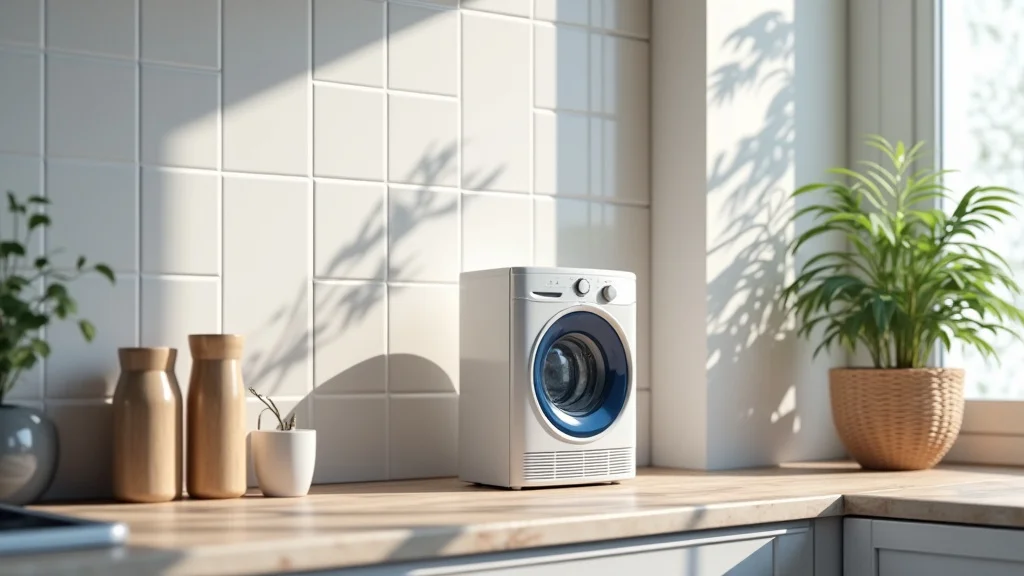
Dryers have different heat settings for varying fabrics, and sensor drying technology to prevent over-drying, which can damage clothes. Some dryers incorporate steam cycles to refresh clothes and reduce wrinkles, and some also offer eco-friendly features. Smart dryers can be controlled through smartphones. You can start, stop, and monitor the drying process remotely. They can also provide alerts when the dryer cycle is done. Some models provide automatic fabric recognition and offer suggestions for optimal drying settings.
Matching laundry sets are designed to provide consistent performance. The units often feature similar design elements, creating a cohesive look for the laundry room. They integrate technologies, allowing for efficient use of water and energy, as well as providing optimal care for clothes. Many laundry sets provide smart features and app integration. This helps users monitor and control their machines. Modern washer and dryer sets provide additional features like automatic detergent dispensing systems, built-in sanitizing cycles, and steam functions for wrinkle removal. The combination of efficient performance, convenient features, and smart capabilities makes laundry sets a practical choice for a modern home.
Other Home Appliances
Besides kitchen and laundry, many other appliances contribute to household comfort and efficiency. These appliances include those for heating and cooling, cleaning, and entertainment. From air purifiers to home entertainment systems, these appliances improve lifestyle and create a functional home environment. This will help readers explore appliances that can enhance the home experience.
- Air Conditioners: Air conditioners are essential for maintaining indoor temperatures during hot months. Modern models have energy-saving modes.
- Vacuum Cleaners: Vacuum cleaners have evolved from basic cleaning tools to appliances with advanced features. Robot vacuums are automatic cleaning units.
- Home Entertainment Systems: Home entertainment systems such as TVs, soundbars, and gaming consoles are essential for relaxation. The systems offer an immersive experience.
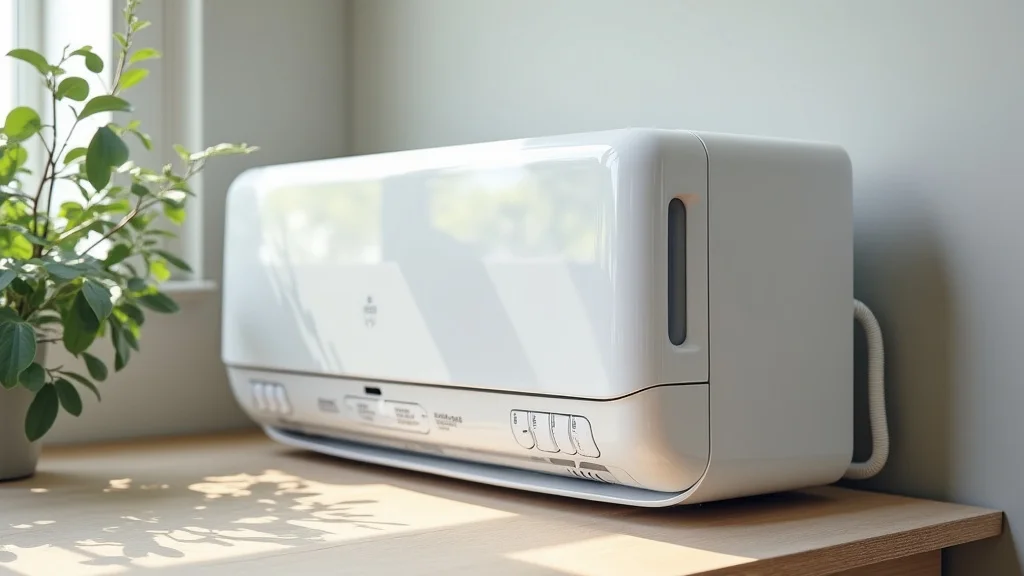
Modern air conditioners have various features, including energy-saving modes, programmable timers, and smart controls. They can connect to Wi-Fi networks and be managed through smartphone apps. You can adjust temperatures, set schedules, and monitor energy use remotely. Some advanced models include air purification systems that filter out dust, allergens, and other air pollutants. Models with smart features can automatically adjust cooling based on weather conditions or occupancy. They can also work in conjunction with other smart home devices like thermostats, creating a fully automated climate control system for the home.
Vacuum cleaners offer advanced features such as HEPA filtration, which captures allergens and dust particles. Modern vacuum cleaners come in a range of designs, from upright and canister vacuums to stick vacuums and handheld models. Robot vacuums have gained popularity because of their autonomous cleaning capabilities. They navigate homes using sensors and cameras to create a cleaning map and can be controlled through smart home apps. They also offer scheduling options, allowing users to set specific cleaning times. Some vacuums come with self-emptying dustbins, which can further reduce the time and effort required to maintain a clean home.
Home entertainment systems offer immersive sound and visual experiences, from high-definition TVs and surround sound systems to gaming consoles and streaming devices. Modern TVs feature high-resolution displays like 4K or 8K, along with smart capabilities and app integration. Soundbars and home theater systems enhance audio quality. Gaming consoles and PCs provide entertainment options. Smart features allow users to access streaming services, browse the web, and connect with other smart home devices. Smart home integration allows users to control their entertainment systems via voice commands or remote controls.
Smart 680 Home Appliances
The development of smart appliances is transforming the way people live in their homes. These appliances use technology like Wi-Fi, Bluetooth, and voice control to enhance functionality and user convenience. Smart features offer automated operations, remote access, energy efficiency, and predictive maintenance. This exploration explains the smart appliances, their features, and the benefits they provide.
Smart Features and Connectivity
Smart appliances include features that make everyday tasks easier. With the use of Wi-Fi, Bluetooth, and voice control, users can experience new levels of convenience and functionality. Smart functions provide real-time monitoring and automation, leading to a more streamlined user experience. This section explains the key features and capabilities of smart appliances, explaining how they work to improve the appliance user experience.
- Wi-Fi Connectivity: Wi-Fi allows appliances to connect to a home network. Users can monitor and manage the appliances remotely.
- Bluetooth Integration: Bluetooth allows for quick pairing and data transfer from nearby devices, such as smartphones. This enhances control.
- Voice Control Capabilities: Voice control lets users control appliances with spoken commands. This provides a hands-free and convenient operation method.
Wi-Fi connectivity enables remote monitoring and control of appliances through smartphones, tablets, or other connected devices. Through companion apps, users can start or stop cycles, adjust settings, and receive real-time notifications about the appliance’s status. Wi-Fi enables software updates, improving performance and incorporating new features over time. This connectivity integrates appliances into a wider smart home ecosystem, allowing them to communicate and synchronize with other smart devices, such as thermostats, lighting systems, and security cameras, providing a seamless and automated home experience.
Bluetooth allows for quick and easy pairing and data transfer from nearby devices, such as smartphones and tablets. It provides a simple method for initial setup and device configuration. Bluetooth connectivity is often used for direct control of appliances, allowing users to adjust settings, monitor the appliance’s status, or initiate specific operations from a short range. Bluetooth also facilitates the transmission of usage data, such as energy consumption or cycle history, from the appliance to a user’s device. This integration enhances the appliance’s user interface by making it simple to manage and control devices.
Voice control capabilities, through virtual assistants like Amazon Alexa and Google Assistant, allow users to manage appliances using spoken commands. Users can start or stop cycles, adjust settings, or receive notifications. Integration with smart home hubs provides a centralized control point for all smart devices in the home. It enables hands-free operation and allows for a more accessible and user-friendly experience. Voice control enhances the overall convenience and flexibility of smart appliance use. This makes the experience more engaging and user-friendly.
Benefits of Smart Appliances
Smart appliances offer a lot of benefits for homeowners. They provide added convenience through remote control and automation. They also provide significant energy savings and improved appliance performance. From time savings to cost savings, smart appliances bring multiple advantages. These are examined below.
- Increased Convenience and Ease of Use: Smart appliances simplify routines with features like remote control.
- Energy Efficiency and Cost Savings: Smart appliances use energy-saving features, which help reduce utility costs.
- Enhanced Performance and Functionality: Smart appliances have a wide range of features that improve the overall appliance experience.
Smart appliances provide remote access and control, letting users manage appliances from anywhere using a smartphone, tablet, or voice commands. Users can start or stop cycles, adjust settings, or monitor appliance status. Smart features like automated cycles, customized settings, and pre-programmed options make operation easier. With smart appliances, users can save time and effort. They can also better manage their household tasks.
Smart appliances can track energy consumption. They also provide insights into usage patterns, helping users identify areas where they can save energy. Smart appliances can be configured to operate during off-peak hours when electricity rates are lower, which saves money. Energy-saving modes and automatic shut-off features reduce energy waste. Through smart control, users have better control over energy usage. Smart appliances reduce utility bills and promote a sustainable lifestyle.
Smart appliances provide advanced features like automatic sensor controls, which tailor the appliance’s operation to current conditions, improving performance. Many appliances offer custom cycles and settings, and downloadable programs to meet the particular user’s needs. The appliances provide predictive maintenance and diagnostic features that alert users to possible issues before they escalate. With automatic updates, the appliances remain current with the latest features and functionalities. Smart appliances improve the user experience by delivering advanced performance and flexibility.
Smart Appliance Integration
The ability to integrate appliances with other systems is a major advantage of smart home technology. Through connecting these appliances, users can achieve a coordinated and automated home environment. The below section explores this integration.
- Integration with Smart Home Hubs: Integration with smart home hubs allows users to control appliances along with other smart devices through one platform.
- Automation and Customization Options: Smart appliances can be programmed to automate tasks. Customization helps create a home experience.
- Remote Monitoring and Control: Smart appliances can be accessed and controlled from anywhere with an internet connection. This enhances ease of use.
Smart home hubs, such as Amazon Echo (with Alexa), Google Home, and Apple HomeKit, act as the central command points for all smart devices in the home. They provide a common interface for users to manage and control all of their smart appliances and other devices. They also allow for voice control, automation, and remote management. Users can create custom scenes and routines to coordinate the operation of multiple devices simultaneously. Smart home hubs improve home convenience. They also provide a central control point for smart appliances.
Smart appliances can be automated to carry out tasks like preheating an oven before the user arrives home, starting a washing machine automatically during off-peak hours, or adjusting the thermostat based on the user’s schedule. Users can create personalized settings and routines to tailor their home environment to their preferences and lifestyle. Automation and customization features increase the comfort and efficiency of the home, as well as providing increased convenience and energy savings.
Smart appliances provide remote access via smartphone apps or web interfaces, allowing users to monitor and control their appliances from anywhere with an internet connection. Users can check the status of their appliances, adjust settings, and receive alerts. This improves convenience and peace of mind. Users can adjust settings, resolve issues, and ensure appliances function correctly. This functionality provides a versatile home appliance experience.
Choosing the Right 680 Home Appliances
Selecting the correct appliances is essential for making a home more comfortable and efficient. This section helps people select appliances that best meet their requirements. The information will help people to navigate through the options available. This section will guide you through the process, considering aspects such as appliance types, features, size, and efficiency, and helping you make informed decisions.
Assessing Your Needs and Lifestyle
Before choosing new appliances, it is necessary to examine your needs and daily routine. Your lifestyle and household requirements will affect the appliances you require. Evaluate your habits, home size, and needs to decide what appliances will best fit your requirements. By addressing these aspects, you can choose appliances that enhance your daily life and match your lifestyle.
- Considering Your Daily Habits and Needs: Examine the activities in your day to decide which appliances will be most useful.
- Evaluating Household Size and Usage Patterns: The size of your family influences the size and capabilities of your appliances.
- Prioritizing Features and Functions: Decide what features are essential and what are luxury extras to narrow your options.
Analyze daily routines, such as cooking, cleaning, and laundry to pinpoint the appliances that will be used most. If you cook frequently, a high-performance oven or a spacious refrigerator will be important. If you have a busy lifestyle, look for appliances with time-saving features, such as fast wash cycles or pre-programmed settings. Consider any special requirements, such as food allergies, dietary restrictions, or care of sensitive items. Selecting appliances that support your daily activities will enhance your lifestyle.
Consider the number of people in the household and the frequency of use for each appliance. A large family may require a larger refrigerator, dishwasher, and washing machine to accommodate more food, dishes, and laundry. Assess usage patterns to determine the capacity and features required. If you often entertain, you may want a double oven or an extra refrigerator. Evaluate your usage patterns to decide the appropriate size and functionality of each appliance.
List the essential features that meet your needs, such as energy efficiency, smart capabilities, or specialized cooking programs. Decide on secondary features to provide additional convenience or improve user experience. For instance, a refrigerator with a water dispenser and ice maker, or a dishwasher with a sanitization cycle. Consider the features that will best meet your requirements. Ensure that the selected appliances have the functionality you require.
Types of Appliances and Features
Appliances differ in size, style, and functionality, so it’s essential to understand the options. Research available models, compare features, and consider your preferences to select the appliances that best fit your home and lifestyle. This section explains the different types of appliances and their main features. It helps in selecting the most suitable appliances for your home.
- Refrigerator Options: Explore different refrigerator styles and features to decide what meets your needs.
- Washing Machine and Dryer Choices: Learn the different washing machine and dryer types and features.
- Oven and Cooktop Selection: Learn about the different types of ovens and cooktops, along with their functions.
Refrigerators are available in various styles, including top-freezer, bottom-freezer, side-by-side, and French-door models. Each design provides different levels of capacity and organization options. Consider features like adjustable shelves, humidity-controlled crisper drawers, and built-in water and ice dispensers. Refrigerators with smart features offer Wi-Fi connectivity, enabling users to monitor and control their units remotely, get notifications, and access extra functions. Selecting the ideal refrigerator depends on your storage needs and kitchen layout.
Washing machines come in several types, including top-load, front-load, and compact models. Each provides different advantages in terms of efficiency, capacity, and cleaning performance. Dryers have features like sensor drying, which prevents over-drying, and steam cycles for refreshing clothes. Washing machine features include various wash cycles for different fabric types. Choosing the correct size and capacity of appliances is important for your laundry needs. Also consider smart features such as Wi-Fi connectivity for remote control and monitoring. When choosing appliances, think about features, energy efficiency, and ease of use.
Ovens come in various styles, including freestanding, built-in, and convection models. Cooktops can be electric, gas, or induction, each providing unique cooking benefits. Ovens have features like convection cooking, which ensures even heat distribution, and self-cleaning functions for easier maintenance. Cooktops have features like quick heating, precise temperature control, and safety features like automatic shutoff. Consider size, energy efficiency, and your cooking style to choose the perfect oven and cooktop for your home.
Appliance Size and Energy Efficiency
The size and efficiency of appliances are critical considerations that can affect their functionality and your utility expenses. Choosing the right size ensures that the appliance meets your needs, while choosing energy-efficient models can lower your environmental effect and save you money. The following parts will help users navigate these important aspects when choosing appliances.
- Matching Appliance Size to Space and Usage: Consider the available space and your lifestyle requirements while choosing appliance size.
- Understanding Energy Efficiency Ratings and Labels: Study energy ratings to ensure that you pick energy-efficient appliances.
- Factors Affecting Energy Consumption: Consider different factors that influence energy consumption.
Measure the space in your kitchen, laundry room, or any other area where you plan to install the appliances. Ensure that the appliance’s size matches the available space and provides adequate room for easy access and use. Assess your everyday habits and how frequently you use the appliance. A large family may require a bigger refrigerator and a washing machine with a greater capacity. Select the appliance’s size to meet your requirements without taking up excessive space or generating inefficient operation.
Understand how to read and interpret energy labels and ratings, such as the Energy Star rating, to identify energy-efficient appliances. Energy Star-certified appliances are made to fulfill certain energy-efficiency standards, which can help to reduce energy consumption and expenses. Look at the yearly energy usage and operating costs indicated on the energy labels. Also, analyze the features of each appliance to help save energy, such as automatic shut-off and energy-saving modes. Choosing energy-efficient appliances helps to reduce utility costs, reduce the environmental impact, and save money over time.
Understand the elements that affect energy usage, such as the appliance’s size, age, and features. Bigger appliances typically use more energy than smaller ones. Newer models frequently have better energy-saving features. Ensure proper appliance maintenance, such as cleaning refrigerator coils and replacing filters, to optimize energy consumption. Think about how you use your appliances and adapt your habits to save energy. For instance, run the dishwasher and washing machine only when fully loaded. Considering the appliance features and user habits will maximize energy conservation and minimize your environmental effect.
Maintaining and Optimizing 680 Home Appliances
Regular maintenance and smart use of your appliances are essential for optimum performance and longevity. Correct maintenance and efficient operation not only improve appliance lifespan but also improve energy efficiency and reduce the need for repairs. This part focuses on the practical measures to maintain and optimize your appliances. You will gain knowledge on how to maintain your appliances and get the most out of them for a better home experience.
Routine Maintenance and Cleaning
Routine maintenance and cleaning are critical for keeping appliances in good condition. Regular maintenance prevents problems and improves appliance performance. This section will look at the basic maintenance and cleaning procedures.
- Cleaning Appliances Regularly: Keep appliances clean and in good working order by cleaning them regularly.
- Maintaining Appliance Components: Keep each component well-maintained.
- Following Manufacturer’s Instructions: Always follow the manufacturer’s advice for maintenance and cleaning.
Make cleaning a regular practice to keep the appliances running smoothly and prevent grime. Clean refrigerator interiors with mild soap and water. Empty and clean the dishwasher filter regularly. Clean the microwave interior and exterior. Wipe spills and splatters immediately, following manufacturer instructions. Frequent cleaning prevents buildup, and ensures that the appliances perform correctly.
Inspect the rubber seals and gaskets of refrigerators and freezers regularly. Replace them if you notice any damage. Clean the lint filter of the dryer after each use to maintain ventilation and reduce fire risk. Inspect and clean the burners and igniters of gas stoves. Ensure that ventilation systems and fans are operating effectively. Regular component maintenance improves performance and prolongs the lifespan of appliances.
Always refer to the manufacturer’s user manual for guidance on maintenance and cleaning. The guides give detailed instructions. They also provide recommendations for products that are approved for use on your appliances. Adhere to the recommended maintenance schedules to avoid damage and keep the warranty valid. Following the manufacturer’s instructions ensures that your appliances are maintained properly.
Energy-Saving Tips and Practices
Adopting energy-saving habits may drastically lower energy consumption and costs while extending the life of your appliances. By adopting practical strategies, you can minimize your environmental impact and enhance your home’s energy efficiency. This segment will offer practical, energy-saving methods.
- Using Appliances Efficiently: Use appliances effectively.
- Optimizing Appliance Settings: Improve the appliance experience with optimal settings.
- Making Smart Choices: Adopt smart habits when using your appliances.
Operate appliances such as washing machines and dishwashers when they are fully loaded. Avoid preheating the oven longer than necessary. Turn off appliances when not in use. Use energy-saving settings, such as eco-modes on washing machines and dishwashers. Simple adjustments in your operating habits may significantly reduce energy consumption and cost.
Set the refrigerator temperature to the correct setting, typically between 37°F and 40°F (3°C to 4°C), and the freezer temperature to 0°F (-18°C). Use the appropriate cycle settings on your washing machine and dryer for your laundry. Use the oven’s convection setting whenever possible. Fine-tune the settings to maximize energy use and ensure the appliances work effectively.
Defrost food in the refrigerator rather than using the microwave. Air dry dishes and clothes whenever possible. Avoid placing hot food in the refrigerator. Consider purchasing energy-efficient appliances. Combining these smart choices with the correct settings improves energy savings and reduces your environmental impact.
Troubleshooting Common Issues
Knowing how to resolve common problems may help you avoid costly repairs and keep your appliances working. With a few troubleshooting tips, you may efficiently handle many problems. This section will discuss a few common difficulties and provide troubleshooting recommendations to help you keep your appliances in good working order.
- Identifying Common Problems: Be able to identify usual appliance issues.
- Troubleshooting Basic Issues: Look for solutions to basic appliance problems.
- Knowing When to Call for Repairs: Decide when you need expert assistance.
Keep a watch for typical issues such as a refrigerator not cooling correctly, a washing machine not draining, an oven not heating, or a dishwasher not cleaning dishes. Look for unusual noises, leaks, or malfunctions in appliance operation. Identifying problems early on may help you avoid larger damage and repairs later.
If your refrigerator is not cooling, ensure the temperature settings are right, and the condenser coils are clean. If your washing machine does not drain, check for clogs in the drain hose. If your oven is not heating, verify the power supply and heating elements. If the dishwasher does not clean dishes, ensure the spray arms are not clogged and the detergent is working. Troubleshooting allows you to fix simple problems.
Understand when to seek professional appliance repair assistance. If you cannot diagnose or address the problem, or the appliance keeps having issues, contact a professional repair technician. If the appliance is still under warranty, contact the manufacturer or retailer for assistance. Attempting to fix complex issues might worsen the situation. It may be hazardous, so it is best to leave it to the professionals.
Common Myths Debunked
Myth 1: Smart appliances are too complex to use.
Many people think smart appliances are difficult to operate. They fear being overwhelmed by complicated settings and interfaces. In reality, most smart appliances are designed with ease of use in mind. Their interfaces are simple to use. Smart features allow for remote control via smartphone apps and voice commands. Users are often able to customize their appliance settings. This allows people to integrate them into their daily life and use them easily.
Myth 2: Smart appliances are not energy efficient and cost more to run.
The idea that smart appliances are energy hogs is a misconception. Modern smart appliances are often designed with energy efficiency in mind. Many come with features like energy-saving modes and smart grids, helping to minimize energy usage. Many smart appliances feature energy monitoring, letting users track and optimize their power consumption. When users manage their appliances properly, they can lower their energy expenses.
Myth 3: Smart appliances are less reliable than traditional appliances.
Some people think that smart appliances are less reliable than older models because of their electronic parts. Smart appliances are built to last. Many manufacturers offer extended warranties. Smart appliances provide added functionalities and improved performance. Smart appliances can give users helpful insights into performance. Users are able to take action to resolve issues.
Myth 4: Smart appliances pose serious security risks and are easily hacked.
The fear of security risks and hacking is real. The developers of smart appliances recognize these threats and use security measures. Users must take the necessary steps, such as setting strong passwords and updating their appliances. Users are able to monitor and control their appliances remotely with security measures. Smart appliances are becoming a safe option in modern homes.
Myth 5: Smart appliances are only for tech-savvy individuals.
Some people think that smart appliances are only for tech-savvy individuals. The truth is that smart appliances are made for a wider audience. Smart appliances are easy to set up and operate. They also offer user-friendly interfaces, such as voice control. Smart appliances are available to anybody, regardless of their technical abilities.
Frequently Asked Questions
Question: What is the lifespan of 680 home appliances?
Answer: The lifespan of 680 home appliances varies, typically ranging from 7 to 20 years, depending on the appliance type and maintenance.
Question: Are smart appliances worth the extra cost?
Answer: Smart appliances offer increased convenience and efficiency, and they can save on utility bills.
Question: How can I keep my appliances running longer?
Answer: Regular maintenance, cleaning, and following the manufacturer’s instructions are essential.
Question: What should I do if my appliance stops working?
Answer: First, check the power supply and the user manual. Then, try troubleshooting simple problems. Call a professional if the issue persists.
Question: What energy-saving tips can I use with my appliances?
Answer: Use appliances when fully loaded, and use energy-saving settings when available.
Final Thoughts
680 home appliances are not just about modernizing homes, but about making daily life more streamlined, convenient, and energy-efficient. From smart refrigerators that help reduce food waste to energy-saving washing machines that take care of laundry with greater efficiency, appliances are evolving. With Wi-Fi connectivity, voice control, and automation capabilities, these appliances seamlessly integrate into modern life. Choosing the appropriate appliances, implementing proper maintenance, and adopting energy-saving methods will help users get the most value from their appliances. Embrace the convenience and efficiency that these advancements have to offer, turning your house into a haven of comfort and sustainability. By following the tips and recommendations covered in this guide, you are on your way to creating a smarter, more functional, and efficient home environment.