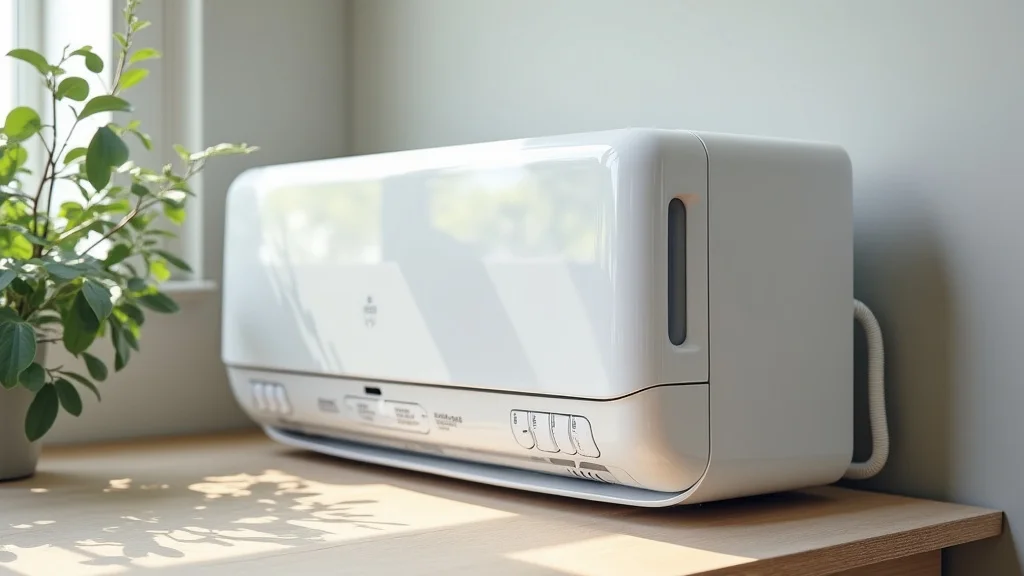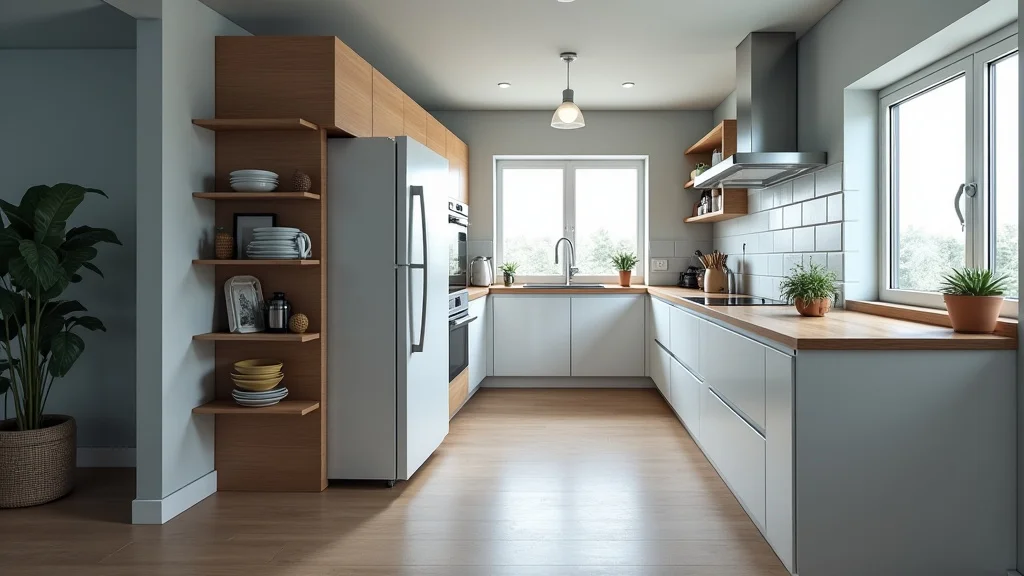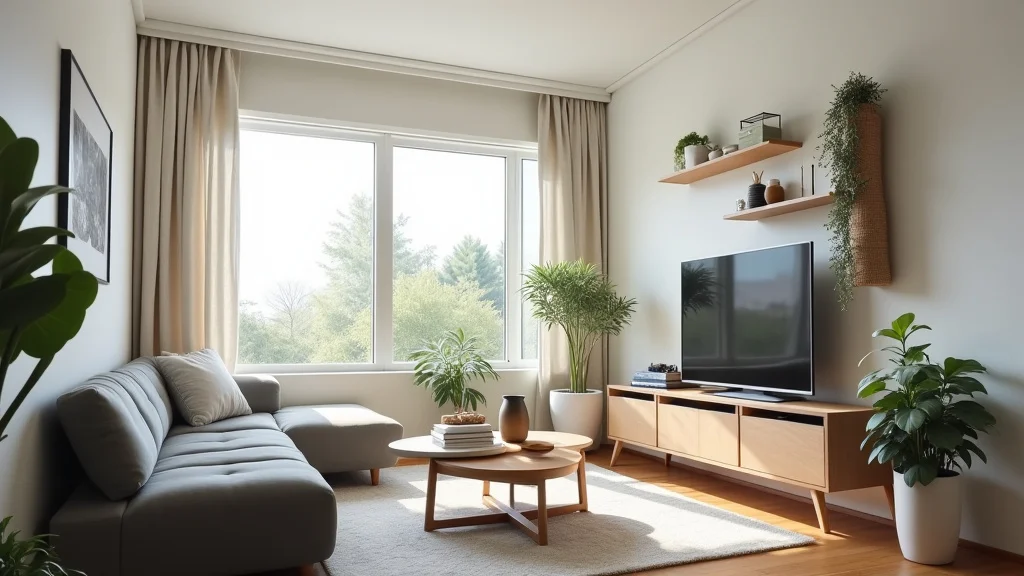
Picture this: It’s a freezing winter evening, and you’re already settled on the couch, wrapped in a blanket. Suddenly, you realize you forgot to preheat the oven for dinner. Instead of getting up, you simply reach for your smartphone and tap a button. That’s the power of modern home appliances and electronics. This blog post explores how these innovations are transforming our daily lives. You’ll gain a thorough picture of different technologies, learning how they can improve convenience, boost energy efficiency, and even increase the value of your property. Prepare to explore some exciting options that can modernize your home, improving your day-to-day lifestyle. By the end of this article, you’ll know how to pick the best home appliances and electronics to create a smart and efficient living space.
Key Takeaways
- Discover the latest smart features in appliances and electronics.
- Learn how to create a more energy-efficient and cost-effective home.
- Explore the benefits of integrating smart home technologies.
- Find out how to choose the right appliances for your needs.
- Understand the impact of these technologies on your lifestyle.
- Get tips on maintaining and troubleshooting your devices.
The Rise of Smart Home Technology
Smart home technology is rapidly changing how we live. No longer science fiction, smart devices are integrated into nearly every aspect of our homes. From refrigerators to light switches, technology offers greater control and convenience. The shift towards smart homes is driven by several factors, including the increasing availability of affordable devices, enhanced user-friendly interfaces, and a growing emphasis on energy efficiency. These devices, connected through a central hub or directly to the internet, enable remote control, automation, and data analysis. This creates a seamlessly integrated, responsive, and personalized environment tailored to the user’s preferences. Smart homes are more than just a trend; they signify a fundamental shift towards a connected lifestyle, offering significant benefits in comfort, security, and sustainability.
Understanding the Core Components
The foundation of a smart home relies on several key components that work in harmony. These elements work together to create a unified system, enhancing convenience and efficiency. A central control hub is the brain of the operation, coordinating all connected devices. It can be a dedicated device like a smart speaker or built into an appliance. This hub allows users to manage and control all connected devices from a single point. Smart devices, ranging from thermostats to lighting systems, communicate with the hub. These devices have built-in sensors, connectivity features, and smart capabilities to interact and automate tasks. Communication protocols, such as Wi-Fi, Bluetooth, Zigbee, and Z-Wave, enable wireless communication between the devices and the hub. The user interface allows for easy control and management of all connected devices through smartphones, tablets, or voice assistants.
- Smart Hubs: These serve as the central command centers for your smart home, coordinating all the connected devices. They manage the communication protocols and create a unified system.
- Connected Devices: This includes a wide array of appliances, like refrigerators, washers, dryers, and electronics, all designed to connect to your network. This allows you to remotely monitor and control these devices.
- Communication Protocols: Protocols like Wi-Fi, Bluetooth, Zigbee, and Z-Wave facilitate the communication between your smart devices and the central hub, ensuring they work together.
- User Interface: The user interface is the method through which you interact with your smart home. This could be a mobile app, voice commands, or a dedicated touchscreen panel.
According to Statista, the global smart home market is forecast to reach $170 billion by the end of . That illustrates the accelerating adoption of these technologies, driven by their increasing accessibility and benefits. This growth emphasizes the transformative impact of smart home technology on modern living.
Benefits of Smart Home Integration
Integrating smart home appliances and electronics provides a range of significant benefits that improve daily living. Primarily, smart technology offers unmatched convenience. You can remotely control and monitor your devices from anywhere using your smartphone or voice commands. Energy efficiency is another important advantage. Smart thermostats and lighting systems can automatically adjust settings based on occupancy and schedules, reducing energy consumption and lowering utility bills. Smart security features enhance home protection with features such as smart locks, security cameras, and motion sensors. Data-driven insights provide data about your usage patterns, helping you make informed decisions about your energy consumption. Smart homes also improve the resale value of your property, attracting tech-savvy buyers who value the modern features and improved lifestyle.
- Convenience: The ability to control appliances and electronics remotely simplifies daily routines, saving time and effort.
- Energy Efficiency: Smart devices such as thermostats and lighting systems optimize energy use, reducing utility bills and environmental impact.
- Enhanced Security: Smart security systems offer improved protection through features such as remote monitoring and real-time alerts.
- Cost Savings: Energy efficiency and reduced appliance wear contribute to significant cost savings over time.
- Improved Home Value: Smart home features can increase the attractiveness and market value of your property.
Choosing the Right Home Appliances and Electronics
Selecting the correct home appliances and electronics demands careful consideration of your needs and preferences. Start by assessing your lifestyle and determine which technologies align with your specific requirements. Consider your budget and the long-term costs of ownership, including the energy consumption and maintenance of the devices. Research the available options and compare features, reviews, and ratings to ensure you pick the best products. Prioritize compatibility between devices. This simplifies management and guarantees a seamless user experience. Verify whether the products support the smart home platform you intend to use. Choosing energy-efficient appliances and electronics will help reduce your environmental footprint and save money on your utility bills. It is important to explore the integration capabilities of various products to make sure they connect with your existing devices.
Essential Appliances to Consider
Focusing on the appliances that offer the most benefits helps with getting started. Smart refrigerators offer food inventory management, recipe recommendations, and remote monitoring capabilities. Smart washing machines and dryers allow remote control, optimized wash cycles, and energy-efficient operation. Smart ovens and cooktops provide features like remote preheating, precise temperature control, and integration with voice assistants. These appliances not only improve convenience, but also save money and reduce environmental impact. Each appliance offers unique benefits, making daily tasks easier and more efficient. These upgrades provide an easier and more connected living experience.
- Smart Refrigerators: These offer features such as internal cameras to monitor food inventory, touchscreen displays for recipe suggestions, and remote control capabilities.
- Smart Washing Machines and Dryers: These appliances provide remote operation, optimized wash cycles based on fabric type, and energy-efficient settings.
- Smart Ovens and Cooktops: These feature remote preheating, precise temperature control, and integration with voice assistants for effortless cooking.
- Smart Dishwashers: With smart dishwashers, you can remotely monitor cycle status, receive alerts when the wash cycle is complete, and optimize performance.
Electronics and Entertainment Options
In addition to appliances, smart electronics and entertainment systems play a key role in improving the home experience. Smart TVs offer high-quality displays with internet connectivity, allowing streaming and access to your favorite entertainment. Smart speakers and audio systems offer voice control and multi-room audio, improving convenience. Smart lighting systems provide adjustable color temperatures, dimming capabilities, and automated lighting scenes. Smart security systems include cameras, doorbells, and sensors to improve home protection. These elements combine to create a comfortable, interconnected, and secure home environment.
- Smart TVs: With high-quality displays, smart TVs stream content and integrate with other smart home systems.
- Smart Speakers and Audio Systems: Voice control and multi-room audio capabilities enhance the audio experience throughout your home.
- Smart Lighting Systems: Smart lighting systems provide adjustable color temperatures, dimming, and automated lighting scenes to customize your home environment.
- Smart Security Systems: Security cameras, doorbells, and sensors offer increased home security and peace of mind.
Maximizing Energy Efficiency
Energy efficiency is an important part of owning home appliances and electronics, benefiting your wallet and the environment. Choosing energy-efficient appliances, such as those with the Energy Star certification, can significantly reduce your energy consumption. Smart thermostats automatically adjust to optimize heating and cooling based on occupancy. Smart lighting systems allow you to control lighting levels and set schedules. Setting up power strips for your electronics makes it easier to turn off multiple devices to eliminate standby power drain. Smart plugs let you monitor and control the energy usage of individual appliances. Regularly maintaining appliances guarantees they operate efficiently. Energy-efficient choices offer substantial savings and promote a more sustainable lifestyle. The focus is on implementing practical solutions to minimize environmental impact while maximizing savings.
Energy-Saving Appliances
When selecting new appliances, prioritize models labeled with the Energy Star seal. These products comply with strict energy-efficiency criteria, using less energy than standard models. Smart refrigerators use advanced insulation and compressors to conserve energy. Energy-efficient washing machines and dryers use less water and optimize the wash cycles. Induction cooktops and smart ovens heat food more efficiently and feature precise temperature control. Regularly cleaning and maintaining your appliances ensures they operate at peak efficiency. Energy-efficient appliances not only reduce your environmental footprint, but also reduce your utility bills, providing long-term cost savings.
- Energy Star Certification: Appliances that meet the Energy Star standards are proven to use less energy, helping you reduce utility bills.
- Smart Refrigerators: These appliances feature improved insulation and efficient compressors, leading to reduced energy usage.
- Energy-Efficient Washing Machines and Dryers: These machines use less water and optimize the wash cycles.
- Induction Cooktops and Smart Ovens: These appliances provide precise temperature control.
Smart Technologies for Energy Management
In addition to energy-efficient appliances, smart technologies offer sophisticated solutions for managing energy consumption. Smart thermostats adapt to your schedule and preferences to optimize heating and cooling, preventing wasted energy. Smart lighting systems allow you to set timers, dim lights, and automatically adjust the lighting based on environmental conditions. Smart plugs provide monitoring and control over individual appliances, identifying energy-hungry devices and cutting off power when not needed. These technologies offer real-time data on your energy usage and provide insights into ways to conserve energy. Using these smart technologies gives you control over your energy consumption, leading to lower utility bills and improved energy efficiency. These smart solutions offer you a pathway towards a smarter and more sustainable home.
- Smart Thermostats: These appliances adjust to your daily schedule to optimize heating and cooling, which reduces energy usage.
- Smart Lighting Systems: These systems can dim lights, set timers, and automatically adjust lighting based on environmental conditions.
- Smart Plugs: Smart plugs let you monitor and control the energy consumption of individual appliances, and they help eliminate phantom loads.
- Energy Monitoring: Some smart home systems also provide comprehensive energy monitoring capabilities, offering data-driven insights.
Maintaining and Troubleshooting Your Smart Devices
Maintaining and troubleshooting your home appliances and electronics is important to ensure their longevity and efficiency. Regular maintenance, such as cleaning, firmware updates, and system checks, can prevent issues from arising and ensure optimum performance. Common troubleshooting tips involve checking the power supply, verifying the network connection, and consulting the user manual for specific issues. Regularly checking and updating the firmware of the device will improve performance and ensure security. By addressing problems promptly and keeping up with regular maintenance, you can maximize the lifespan and functionality of your appliances and electronics, keeping them efficient.
Regular Maintenance Tips
Regular maintenance is important for ensuring the longevity and reliability of your appliances and electronics. Clean the appliances frequently according to the manufacturer’s instructions to prevent dust and debris buildup. Update the firmware of all connected devices to improve performance and correct any bugs. Test the batteries in remote controls, sensors, and other battery-operated devices and replace them when necessary. Review the network connection and make sure your Wi-Fi is strong and secure. By establishing a regular maintenance routine, you can maximize the life span of your appliances and electronics, ensuring optimal functionality and preventing unexpected breakdowns.
- Cleaning: Clean appliances regularly, following manufacturer guidelines, to prevent dust and debris buildup.
- Firmware Updates: Frequently update the firmware on all connected devices to improve performance and fix any security vulnerabilities.
- Battery Checks: Regularly test and replace batteries in remote controls, sensors, and other devices as needed.
- Network Verification: Check your network connection to ensure it is secure.
Common Troubleshooting Techniques
Knowing how to quickly troubleshoot common problems is important for maintaining your smart devices. If an appliance is not working, begin by checking the power supply and verifying the power cord. If the device does not respond, try resetting it by unplugging it for a few seconds and then plugging it back in. Make sure all devices are connected to your Wi-Fi network and that the network is working correctly. Consult the user manual for specific troubleshooting steps and contact the manufacturer’s support if problems persist. By using these simple troubleshooting techniques, you can often solve common problems, preventing disruptions in your smart home. This way, you can resolve problems quickly, maintaining the smooth operation of your smart devices.
- Power Supply Checks: Make sure the device is plugged in correctly and receiving power.
- Restarting Devices: Try resetting the device by unplugging it for a few seconds and then plugging it back in.
- Network Connectivity: Make sure all devices are connected to your Wi-Fi and that the network is functioning.
- User Manuals: Check the user manual for specific troubleshooting steps and contact the manufacturer if necessary.
Security Considerations in the Smart Home
Protecting your home appliances and electronics is a key concern. As more devices connect to the internet, your home becomes a potential target for cyberattacks. It’s important to take security measures to protect your system. Use strong, unique passwords for all devices and regularly update them. Encrypt your Wi-Fi network with a strong password. Enable multi-factor authentication for added security, especially on your control hub and apps. Keep the firmware on all devices up to date. Review the privacy settings on all apps and devices. By taking these measures, you can create a safer and more protected smart home environment.
Protecting Your Network
Strengthening your home network is the first step in protecting your smart devices. Secure your Wi-Fi network with a strong, complex password and enable WPA3 encryption. Place your router in a central location, away from obstructions, to optimize signal strength. Regularly update your router’s firmware to patch any security vulnerabilities. Use a firewall to filter incoming and outgoing network traffic, preventing unauthorized access. Consider segmenting your network by creating a separate network for your smart devices, which minimizes the impact of any potential breach. By taking these steps, you can create a more secure network and shield your smart home from cyber threats.
- Strong Passwords: Use strong, complex passwords and change them regularly for all devices.
- Wi-Fi Encryption: Enable WPA3 encryption on your Wi-Fi network.
- Router Updates: Regularly update your router’s firmware to patch security vulnerabilities.
- Firewall: Implement a firewall to filter network traffic.
Privacy Settings and Data Management
Managing the privacy settings on your devices and apps is essential for protecting your data. Review the privacy policies of all connected devices and services. Adjust the settings to limit the amount of data shared. Turn off location services on devices when they are not needed. Regularly review and delete any unused accounts. Be aware of the permissions that apps are requesting and only grant permissions that are necessary. Use privacy-focused devices and services that emphasize data security. Regularly review your privacy settings, and be informed of the data collection practices of your devices and apps.
- Review Privacy Policies: Read the privacy policies of all connected devices and services.
- Limit Data Sharing: Adjust settings to limit data sharing.
- Location Services: Disable location services when not needed.
- Permissions: Be aware of the permissions requested by apps.
Common Myths Debunked
Myth 1: Smart home devices are only for tech-savvy people.
In reality, smart home technology is designed for everyone, regardless of their technical knowledge. Modern devices are designed with user-friendly interfaces, such as simple mobile apps and voice control options, that make them easy to use. Setting up and using these devices has become simpler than ever, allowing people of all technical backgrounds to enjoy the comfort and convenience of a smart home.
Myth 2: Smart homes are extremely expensive to set up.
While high-end smart home systems can be expensive, many affordable options are available. The cost of smart home technology varies based on what you choose. You can begin with a few basic devices like smart plugs or smart bulbs, gradually adding more devices as your budget allows. Many cost-effective smart devices are available, enabling people to create a smart home without breaking the bank.
Myth 3: Smart homes are easy targets for hackers.
Security is a key consideration when installing smart home systems. With the right security measures, you can significantly reduce the risk of your devices being hacked. Use strong passwords, update your device firmware, and protect your network with encryption and a firewall. Following security best practices, such as regularly reviewing your privacy settings and using two-factor authentication, helps to keep your smart home system secure.
Myth 4: Smart home devices are not energy-efficient.
Smart home devices are built to improve energy efficiency. Smart thermostats, lighting systems, and other appliances are designed to optimize energy consumption. Smart devices can monitor and automatically adjust settings to conserve energy, reducing utility bills and environmental impact. The ability to monitor your energy consumption enables you to make informed choices. This can lead to increased energy savings and a lower carbon footprint.
Myth 5: Smart devices are difficult to integrate.
Smart home systems have become increasingly compatible and easy to integrate. Many devices are compatible with popular smart home platforms, making integration straightforward. By selecting devices that follow common standards, you can set up a system that works in harmony. Most smart home devices support multiple communication protocols, improving compatibility. With a bit of research, you can choose devices that connect and work together.
Frequently Asked Questions
Question: What is a smart home hub?
Answer: A smart home hub is the central device that connects and controls all other smart devices in your home, allowing you to manage everything from one place.
Question: Are smart appliances difficult to install?
Answer: Most smart appliances are easy to install, often involving simply connecting them to your Wi-Fi network and following the instructions in the device’s app.
Question: How do I choose the right smart home system?
Answer: Consider your needs and budget, research device compatibility, and select devices that integrate with a smart home platform you like.
Question: What are the benefits of using a smart thermostat?
Answer: Smart thermostats automatically adjust temperatures, saving energy by heating or cooling only when necessary, and they can be controlled remotely.
Question: Are smart home devices secure?
Answer: With security precautions, smart home devices are generally secure. Use strong passwords, keep your firmware updated, and protect your Wi-Fi network.
Final Thoughts
As we’ve explored, the world of home appliances and electronics is rapidly changing, and for the better. These technologies aren’t just gadgets. They are tools that provide more comfort, and save you money. From smart refrigerators that help organize your groceries to energy-efficient appliances that reduce your carbon footprint, the benefits are vast. By understanding the core components of smart home systems and exploring the different options available, you can build a more connected and efficient living space. Remember to choose the right appliances that match your lifestyle, and embrace energy efficiency by implementing smart technologies. Always prioritize security by protecting your network and managing your privacy settings. With careful selection, installation, and regular maintenance, you can transform your home into a convenient, efficient, and secure smart haven. Start small, experiment, and enjoy the ongoing evolution of the smart home, creating a more enjoyable and sustainable lifestyle for yourself.