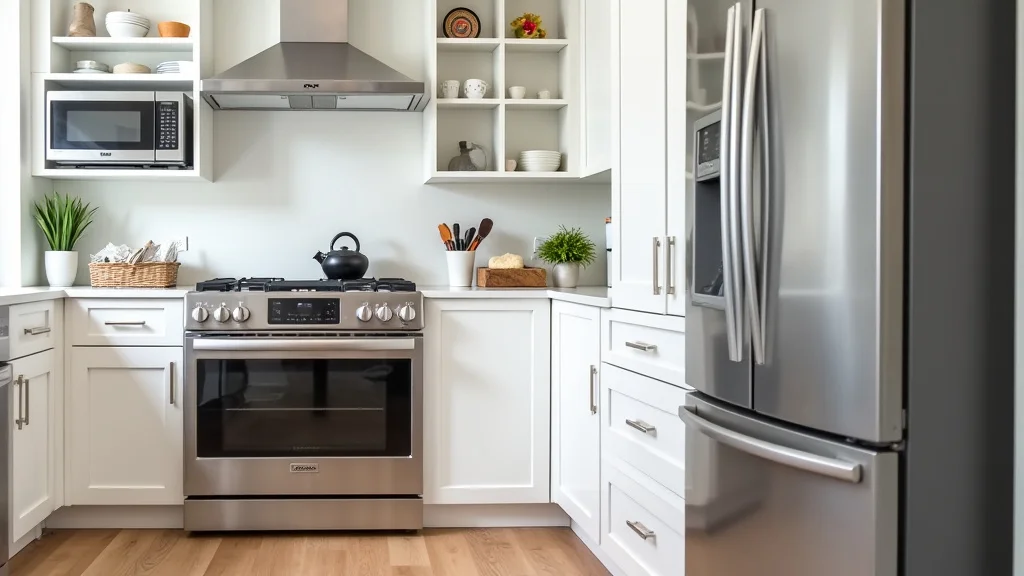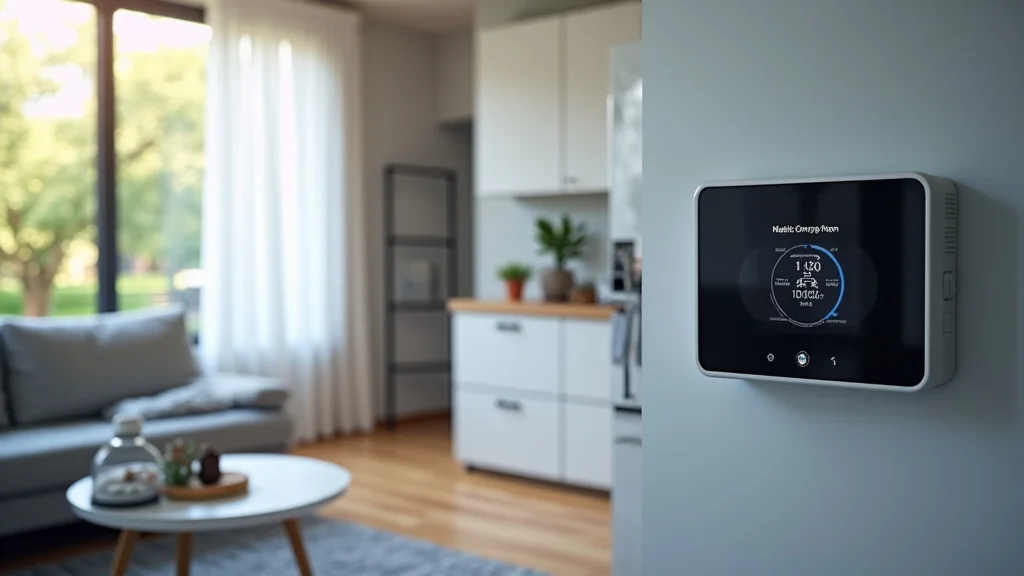
Imagine waking up to the smell of freshly brewed coffee, your smart oven already preheating for breakfast, and your robot vacuum having cleaned the floors overnight. This isn’t science fiction; it’s the reality of ai home appliances. Many people now have smart refrigerators or dishwashers. In this article, you’ll learn how these innovative devices are changing how we live, making our homes more efficient and our lives easier. We’ll explore the inner workings of ai home appliances, their benefits, and how to choose the right ones for your needs. You’ll gain valuable insights that will help you modernize your home, improving your living experience significantly.
Key Takeaways
- Explore how AI is integrated into appliances for enhanced functionality.
- Discover the practical benefits of using smart appliances in your home.
- Learn about the different types of AI-powered appliances available on the market.
- Understand the security and privacy considerations when using smart home devices.
- Find out how to choose the best AI appliances to suit your needs and budget.
- See how these appliances can save you money and simplify your daily routines.
The Rise of AI in Home Appliances
The evolution of household devices has accelerated dramatically, especially with the integration of Artificial Intelligence (AI). What was once a concept in futuristic movies is now a tangible aspect of modern living. This transformation signifies more than just automated tasks; it represents a paradigm shift in how we interact with and manage our homes. AI-powered devices are designed to learn, adapt, and predict, constantly improving their performance and becoming more intuitive with each use. This capability significantly alters the overall user experience.
What is Artificial Intelligence?
Artificial Intelligence (AI) refers to the simulation of human intelligence processes by computer systems. These processes include learning (the acquisition of information and rules for using the information), reasoning (using the rules to reach approximate or definite conclusions), and self-correction. AI allows machines to perform tasks that typically require human intelligence, such as visual perception, speech recognition, and decision-making. AI algorithms analyze data, identify patterns, and make predictions, enabling devices to operate more efficiently and effectively. Machine learning, a subset of AI, focuses on the ability of systems to learn from experience without being explicitly programmed.
- Machine Learning: Machine learning algorithms allow appliances to learn from data, improve their performance over time, and adapt to user preferences. For example, a smart oven can learn your favorite cooking temperatures and timings, adjusting automatically to deliver perfect results.
- Natural Language Processing (NLP): NLP enables appliances to understand and respond to human language. Voice assistants, like Alexa or Google Assistant, allow you to control devices using voice commands, making interaction seamless and intuitive.
- Computer Vision: Computer vision allows appliances to “see” and interpret visual information. Smart cameras in refrigerators can identify the food inside and suggest recipes. Robot vacuums use computer vision to navigate and avoid obstacles in your home.
Machine learning is a critical subset of AI. This technology enables devices to learn from data without explicit programming. Through algorithms, machines can analyze data, identify patterns, and improve their performance over time. This makes devices more efficient and responsive to the needs of the user. For instance, a smart refrigerator monitors your food consumption and suggests grocery lists. In addition, it also provides you with cooking tips.
Natural Language Processing (NLP) is a branch of AI that enables machines to understand, interpret, and generate human language. It is the technology behind voice assistants. NLP allows you to talk to your appliances. You can use voice commands to control them. This technology makes it easier to use devices. It removes the need for manual inputs or complicated interfaces. NLP is very useful for smart home integration, as it facilitates a natural and convenient interaction between humans and technology.
Computer vision is a field of AI. It gives computers the ability to “see” and interpret images. This technology is very important for many smart appliances. It allows them to understand their surroundings. It also helps them to perform tasks more effectively. For instance, a smart refrigerator with computer vision can identify what food items are inside. Robot vacuums use computer vision to navigate the house. This makes them more efficient at cleaning. The technology relies on image recognition algorithms to analyze images.
How AI Powers Smart Appliances
AI is integrated into various appliances, enhancing their functionality and convenience. Through a combination of sensors, data analytics, and machine learning, these devices can perform tasks more effectively and adapt to your needs. This integration results in features such as automated operation, predictive maintenance, and personalized recommendations, offering a seamless and intuitive user experience. The key is how the underlying technology improves overall ease of use.
- Sensors and Data Collection: Smart appliances are equipped with an array of sensors that collect data about their operation and the environment. Temperature sensors in refrigerators, motion sensors in washing machines, and light sensors in ovens are common examples. This data is used to monitor performance, detect anomalies, and make adjustments.
- Data Analytics: The data collected by sensors is analyzed using sophisticated algorithms to identify patterns, make predictions, and optimize performance. For example, a smart dishwasher can analyze water usage, temperature, and cycle duration to determine the most efficient washing mode based on the load.
- Machine Learning and Adaptation: Machine learning algorithms allow appliances to learn from their usage patterns and adapt to user preferences. A smart air conditioner can learn your preferred temperature settings and automatically adjust the temperature based on the time of day and your activity.
Sensors are the foundation of smart appliance functionality, collecting real-time data on everything from temperature and humidity to movement and light. A smart oven, for example, will use these sensors to monitor the internal temperature. This ensures your food is cooked perfectly every time. A smart refrigerator may use sensors to track internal conditions. This provides optimal food storage, preventing spoilage. These sensors enable the appliance to adapt to changing conditions and user behaviors.
Data analytics plays a critical role in smart appliances. After the sensors collect data, advanced algorithms analyze it. These algorithms uncover patterns, trends, and anomalies. This allows devices to optimize their performance and efficiency. For example, a smart washing machine can analyze the load size, fabric type, and water hardness. Based on this information, it can adjust the cycle settings. This results in the most effective and energy-efficient wash possible.
Machine learning enables appliances to learn and adapt to your preferences. Through algorithms, devices can analyze how you use them and optimize their performance. For instance, a smart air conditioner might learn your preferred temperature settings. It adjusts accordingly based on time of day and your activity. The more you use the device, the better it understands your needs. This results in greater efficiency and customized user experiences. This is one of the most exciting aspects of modern appliances.
Benefits of Using AI Home Appliances
The integration of AI into home appliances delivers a wide range of benefits, making daily tasks easier and more efficient. These appliances offer convenience, improve energy efficiency, and contribute to a more connected and intelligent home environment. By automating processes, providing personalized recommendations, and offering remote control capabilities, AI appliances improve the overall quality of living and reduce wasted resources.
Convenience and Automation
AI-powered appliances simplify everyday tasks, saving you time and effort. From preheating your oven remotely to receiving notifications when your laundry is done, these devices are designed to make your life easier. This convenience is a key benefit, streamlining routines and allowing you to focus on other activities. Automation reduces the time required for chores.
- Remote Control and Monitoring: Many smart appliances can be controlled and monitored from a smartphone or tablet, allowing you to manage your home from anywhere.
- Automated Tasks: AI can automate repetitive tasks, such as turning on lights, adjusting the thermostat, and starting the coffee maker.
- Personalized Settings: Appliances can learn your preferences and adjust settings automatically. For example, a smart oven can suggest recipes and cooking times based on your past usage.
Remote control is a major convenience provided by AI home appliances. Using a smartphone or tablet, you can operate and monitor your devices from anywhere. For example, you can preheat your oven on your commute home. The ability to monitor your appliances in real-time is also very useful. You can check the status of your washing machine or dishwasher remotely. This feature offers peace of mind and flexibility, helping you stay connected to your home. This capability improves your overall convenience.
Smart appliances excel at automating repetitive tasks, simplifying your daily routine. AI enables devices to perform actions without your intervention. You can program your coffee maker to start brewing before you wake up. Smart thermostats adjust the temperature automatically. Smart lighting systems turn on when it gets dark. Automation provides convenience, by reducing the manual effort required for daily chores. It helps you save time and focus on other activities.
AI-powered appliances excel at personalizing your experience, by learning your preferences and habits. Smart ovens can remember your favorite cooking temperatures. Smart refrigerators provide you with recipe recommendations based on the ingredients you have on hand. These appliances use machine learning to adapt to your needs over time. This customization enhances efficiency, and comfort. The personalization features of AI appliances improve your overall experience.
Energy Efficiency and Cost Savings
AI-powered appliances are often designed to be energy efficient, helping you reduce your utility bills and minimize your environmental footprint. Smart features like load sensing, optimized cycles, and energy monitoring contribute to more sustainable home management. Energy efficiency is a significant advantage of these technologies, providing both economic and environmental benefits.
- Optimized Energy Usage: AI algorithms can optimize energy consumption by adjusting settings based on usage patterns and external factors, such as time-of-use pricing.
- Smart Grids Integration: Some appliances can connect to smart grids, allowing them to automatically adjust their energy consumption based on the availability and cost of electricity.
- Reduced Waste: Smart appliances can help reduce waste by optimizing food storage, monitoring food expiry dates, and providing recommendations to minimize food spoilage.
Smart appliances maximize energy efficiency by optimizing energy usage. AI algorithms can analyze your energy consumption patterns and adjust settings for optimal performance. This could include using energy during off-peak hours or adjusting settings based on weather conditions. This reduces waste and lowers your energy bills. Using smart energy-saving features is better for your wallet.
Smart appliances have the capability to integrate with smart grids. Smart grids allow for communication between the utility company and your home. Appliances can adapt their energy consumption. Appliances use less electricity when it is more expensive or in short supply. This capability helps manage energy consumption efficiently. It also saves you money on your electricity bills. This contributes to a smarter, more sustainable energy ecosystem.
AI-powered appliances play a role in reducing waste. For example, smart refrigerators can monitor food expiry dates and send alerts. They also suggest recipes based on the items you already have. This helps reduce food spoilage. Dishwashers optimize water usage and detergent levels. They minimize resource consumption. By reducing waste, these appliances contribute to a more sustainable lifestyle. This is a crucial element of the new technology.
Enhanced Home Security and Safety
Smart appliances offer enhanced security features, providing peace of mind and protecting your home. From remote monitoring to automated alerts, these devices integrate seamlessly with broader home security systems, creating a safer living environment. The integration of security features is an important advantage.
- Real-time Monitoring: Smart appliances often come equipped with cameras and sensors that allow you to monitor your home remotely. For example, smart ovens can provide alerts if the temperature gets too high.
- Leak Detection and Prevention: Smart appliances can detect leaks and other potential hazards, sending you alerts and even shutting off the water or gas supply automatically.
- Integration with Security Systems: Many smart appliances can integrate with existing home security systems, providing a more comprehensive security solution.
Real-time monitoring is a valuable feature of smart appliances, helping you to keep an eye on your home. Equipped with cameras and sensors, these devices can provide you with alerts. These can be related to unusual activity or potential issues. This allows you to react quickly to any problems. It also provides greater peace of mind knowing you can monitor your home from anywhere.
Smart appliances can provide important leak detection and prevention capabilities. Devices can detect leaks or other potential safety hazards. They immediately alert you and potentially shut off the water or gas supply. These proactive measures help prevent damage. They improve the safety of your home. These features provide peace of mind. They also help to prevent costly repairs.
Smart appliances integrate with existing home security systems, to provide a more comprehensive safety solution. You can integrate your smart appliances. Then they work seamlessly with your security cameras, door sensors, and other devices. These integrations create a unified security network. This provides you with enhanced protection. This feature makes for a smarter, safer home environment.
Different Types of AI Home Appliances
The market is flooded with a variety of AI home appliances, each designed to simplify specific tasks and enhance your living experience. From kitchen gadgets to cleaning robots, these devices integrate AI to deliver a blend of convenience, efficiency, and intelligence. The variety of smart appliances is impressive.
Smart Kitchen Appliances
Smart kitchen appliances are revolutionizing the way we prepare and consume food. These devices offer features like voice control, automated cooking, and smart recipe suggestions, making cooking easier and more enjoyable. These appliances will improve your time in the kitchen.
- Smart Refrigerators: These refrigerators feature touchscreens, internal cameras, and connectivity to offer features such as inventory management, recipe suggestions, and remote control.
- Smart Ovens: Smart ovens offer automated cooking, preheating, and temperature control. Some models include cameras to monitor the cooking process.
- Smart Dishwashers: These dishwashers optimize water and energy usage based on the load and type of dishes. They may also include features such as remote start and cycle monitoring.
Smart refrigerators have a lot of great features. They often have touchscreens and internal cameras, for example. These features help with inventory management. Smart refrigerators can suggest recipes based on what food you have. Remote control of settings is also available. They make cooking much easier. Smart refrigerators bring convenience to the kitchen.
Smart ovens also have many advanced features. They offer automated cooking, and preheating functionality. Some even have cameras that let you watch your food cook! You can control these ovens remotely. Smart ovens bring precision and ease to cooking.
Smart dishwashers are designed to optimize water and energy use. They can adjust cycles based on your dishes. They may also include features like remote start. You can monitor the progress of a cycle from anywhere. They provide efficient and convenient cleaning.
Smart Cleaning Appliances
Smart cleaning appliances automate household chores, freeing up your time and effort. From robot vacuums to smart washing machines, these devices employ AI to provide thorough and efficient cleaning. Smart cleaning is the easiest way to make housework easier.
- Robot Vacuums: These autonomous vacuums use sensors and AI to navigate your home, clean floors, and avoid obstacles.
- Smart Washing Machines: Smart washing machines offer features like load sensing, automatic detergent dispensing, and remote control.
- Smart Air Purifiers: These air purifiers use sensors to monitor air quality and adjust their settings automatically to remove pollutants and allergens.
Robot vacuums are a great example of smart home technology. They use sensors and AI to navigate your floors. They can avoid obstacles, too. They clean the floors automatically. They make housework a lot easier.
Smart washing machines provide a lot of convenience. They include load sensing, and automatic detergent dispensing. They can be operated remotely. They improve your laundry routine.
Smart air purifiers automatically adjust settings to clean the air. They monitor air quality with sensors. They remove pollutants, for a healthier home environment.
Other Smart Home Appliances
AI is transforming other appliances as well, offering a wide array of smart features to enhance daily living. From smart thermostats to smart lighting, these devices integrate seamlessly with each other and are designed to improve both comfort and convenience. Smart appliances will have a big impact on your lifestyle.
- Smart Thermostats: Smart thermostats learn your temperature preferences and adjust the temperature automatically to save energy and provide comfort.
- Smart Lighting: Smart lighting systems allow you to control lights remotely, adjust brightness, and create customized lighting scenes.
- Smart Water Heaters: These water heaters learn your hot water usage patterns and optimize heating schedules to save energy.
Smart thermostats learn your preferences, and adjust the temperature. They provide comfort, and save energy. They are a great addition to the smart home.
Smart lighting systems have lots of great features. You can control the lights remotely, and adjust the brightness. You can create custom lighting scenes. Smart lighting is a great way to improve your home.
Smart water heaters learn your usage patterns. They optimize heating to save energy. These appliances make smart home technology even better.
Choosing the Right AI Home Appliances for Your Home
Selecting the correct AI home appliances requires careful thought and consideration of your needs, lifestyle, and budget. It is important to evaluate specific features, compatibility, and integration capabilities to ensure a seamless and rewarding experience. This section provides insights and helpful guidance.
Assessing Your Needs and Lifestyle
Before purchasing any smart appliance, it’s important to evaluate your daily routines and preferences. Considering your existing routines and personal needs helps you identify which features and appliances will provide the most value. Consider the areas where you would like to improve efficiency, convenience, or comfort to tailor the choices to your specific needs.
- Identify Your Priorities: Determine which tasks or chores take up the most time or effort. For example, if you spend a lot of time cleaning, a robot vacuum may be a good investment.
- Consider Your Budget: Set a budget for your smart home upgrades. Prices for smart appliances vary widely, so you should consider what is important.
- Evaluate Compatibility: Ensure the appliances you choose are compatible with your existing smart home ecosystem and any other devices you plan to use.
Identify which tasks or chores take up the most time or effort. If you spend a lot of time cleaning, you might want a robot vacuum. You may want a smart oven if you cook often. Evaluate your daily routines to identify areas for improvement.
Set a budget for your smart home upgrades. The prices for smart appliances vary widely. Decide what features are most important, and then look for appliances that fit within your budget. Consider both the initial cost and potential long-term savings.
Make sure the appliances are compatible with your existing smart home ecosystem. Smart home platforms can include Alexa, Google Assistant, or Apple HomeKit. Compatibility will ensure a seamless experience. Integration is essential to take full advantage of smart home features.
Researching and Comparing Features
Once you have a clear idea of your requirements, you can investigate different models and brands. Compare various features, read reviews, and assess the capabilities of each appliance. Comparing different options is essential for making informed decisions and getting the most value from your investment.
- Read Reviews: Check out product reviews from other users to learn about their experiences. Consumer reviews provide insights into a product’s performance and reliability.
- Compare Features: Compare the features offered by different appliances, such as connectivity options, smart features, and energy efficiency ratings.
- Consider Brand Reputation: Look at the reputation of different brands in the smart appliance market. Some brands have reputations for reliability and customer service.
Read product reviews before making a purchase. You can learn from others’ experiences. Check the performance, and the reliability of a product. Consumer reviews offer useful insight to inform your purchase.
Compare the features of each appliance. Look at connectivity options, like Wi-Fi or Bluetooth, and smart features. You will need to review energy efficiency ratings. This will help you identify which appliance is the best fit for your needs.
The brand reputation matters when you consider the smart appliance market. Some brands are known for their reliability. Research customer service before making a decision. Choosing a reputable brand will ensure you get a quality product.
Setting Up and Integrating Your Smart Appliances
After acquiring your new appliances, you can proceed with setting them up. Proper setup involves following the installation guides. It also involves connecting the appliances to your network. This ensures you can control them from your mobile devices. Smart home integration creates a seamless experience and makes the most of your new appliances.
- Follow Installation Guides: Carefully follow the instructions provided with each appliance to ensure proper installation and setup.
- Connect to Your Network: Connect your appliances to your home Wi-Fi network to enable remote control and smart features.
- Integrate with Your Ecosystem: Connect your appliances to a smart home hub like Amazon Echo or Google Home to create a unified and integrated smart home experience.
Proper installation ensures the smart appliance works correctly. Follow the installation guides included with each appliance. You need to connect your appliances to your home network. Properly installing each appliance is critical.
Connect your appliances to your home Wi-Fi network. This will enable remote control and smart features. You can use your smart appliances from anywhere. Follow the instructions for your specific devices.
Integrate your appliances with a smart home hub. This will create a unified experience. Smart home hubs like Amazon Echo and Google Home make it easy to control all your appliances from one place.
Security and Privacy Considerations
As AI home appliances become more common, it’s important to consider security and privacy. As these devices collect data about your habits, it’s important to take steps to protect your information and ensure that your devices are secure from unauthorized access. The key is to address potential vulnerabilities before they arise.
Protecting Your Data and Privacy
Protecting your personal data is paramount when using AI home appliances. It’s important to understand what data is collected, how it is used, and how to protect it from misuse. This knowledge is important for keeping your data secure.
- Review Privacy Settings: Carefully review the privacy settings of each appliance and adjust them to your comfort level. This helps control how your data is collected and used.
- Use Strong Passwords: Use strong, unique passwords for all your smart home devices and accounts to prevent unauthorized access. Strong passwords improve security.
- Update Firmware Regularly: Keep your appliances’ firmware up-to-date to patch security vulnerabilities and protect against potential threats. Updated firmware is good for security.
Review the privacy settings for each appliance you own. Make sure you are comfortable with how your data is being used. You can adjust your privacy settings to suit your preferences. This allows you to protect your personal information.
Use strong and unique passwords for all your smart home devices. You will want to prevent unauthorized access. Strong passwords are a good security measure. They help to prevent your data from being compromised.
Keep your appliances’ firmware up-to-date. This will patch any security vulnerabilities. This is an important security measure. It protects against potential threats. Make sure to update your firmware regularly.
Securing Your Smart Home Network
Your home network’s security plays a critical role in protecting your smart appliances. Securing your Wi-Fi network and other connected devices is essential. You want to prevent any unauthorized access to your smart home environment. You should employ proper security measures.
- Use a Secure Wi-Fi Network: Use a secure Wi-Fi network with strong encryption, such as WPA3, to protect your devices from hacking.
- Enable Two-Factor Authentication: Enable two-factor authentication on your smart home accounts to add an extra layer of security.
- Monitor Your Network: Regularly monitor your network for suspicious activity and be aware of any unusual behavior by your smart appliances.
Use a secure Wi-Fi network. Use strong encryption. This protects your devices from hacking attempts. The encryption protocol protects your devices. Ensure your network is safe and secure.
Enable two-factor authentication on your smart home accounts. Two-factor authentication adds an extra layer of security. This requires an additional verification code. It makes it harder for intruders to access your accounts.
Monitor your network regularly. Look for any suspicious activity. You should also watch out for unusual behavior from your smart appliances. Monitoring your network is a good security measure. This alerts you to potential threats and helps to maintain the safety of your system.
Common Myths Debunked
Myth 1: AI Appliances Are Too Expensive
Some people believe that ai home appliances are out of reach financially, being very costly. While some high-end models have a high price point, there are many affordable options available. The prices of smart appliances vary greatly. You can find devices at different price points.
Reality: The price of ai home appliances varies widely. Many affordable options are now available, from smart plugs to entry-level smart kitchen gadgets. It’s possible to find appliances that fit various budgets. The cost can also be offset by savings in energy and water usage.
Myth 2: AI Appliances Are Difficult to Set Up
A frequent idea is that AI-powered devices are complex to install, requiring expertise in technology. This can dissuade users who are not very tech-savvy. The reality is that manufacturers are actively working on ease of use. This is to increase appeal to a wide customer base.
Reality: Most ai home appliances are designed to be easy to set up and use. Manufacturers often provide clear instructions and user-friendly apps. The process often involves straightforward steps like connecting to Wi-Fi and setting up a user account.
Myth 3: AI Appliances Always Need Internet
Many believe that these devices will not work without a constant Internet connection. This might be a concern if the Internet connection is unstable. However, the requirement for a connection will vary depending on the particular features and functions.
Reality: While many smart features do need an Internet connection, many AI appliances still function without it. Basic operations like cooking or cleaning often work even if the Internet is down. However, advanced features might be unavailable without an Internet connection.
Myth 4: AI Appliances Collect Too Much Personal Data
Some people have worries about the amount of data smart appliances gather, raising privacy concerns. They fear that this data could be used in ways they do not intend. There are methods to manage and reduce data collection.
Reality: Ai home appliances do collect data. However, you can manage how much data they collect. You can review and adjust privacy settings to limit data collection. Read the privacy policies carefully and choose to use the features that you are most comfortable with.
Myth 5: AI Appliances Are Easily Hacked
Many people worry about the security of these devices. There is a concern that they could be vulnerable to hacking. The risk exists, but it can be minimized with the right security precautions.
Reality: While there is a risk of hacking, you can reduce this risk. Regularly update your appliances’ firmware. Use strong passwords, and protect your home network with strong encryption. You will want to keep your network safe to reduce the risk.
Frequently Asked Questions
Question: Can I control AI appliances with my voice?
Answer: Yes, many AI appliances are compatible with voice assistants like Alexa and Google Assistant, allowing you to control them with voice commands.
Question: Do I need a smart home hub to use AI appliances?
Answer: Not always, many AI appliances can be controlled via their own apps, but a smart home hub can integrate multiple devices and simplify control.
Question: How do AI appliances save energy?
Answer: AI appliances save energy by optimizing settings, using energy during off-peak hours, and adjusting to your usage patterns.
Question: Are AI appliances secure?
Answer: They can be secure if you use strong passwords, keep firmware updated, and use secure Wi-Fi networks.
Question: Can I control my AI appliances when I am away from home?
Answer: Yes, many AI appliances come with remote control features that allow you to manage them from a smartphone or tablet.
Final Thoughts
Ai home appliances represent a significant step in the evolution of home technology, offering unprecedented convenience, efficiency, and security. From automating chores to personalizing your living experience, these devices are transforming the way we interact with our homes. As you’ve explored the benefits of ai home appliances, you now have the tools needed to assess your needs, research the market, and choose the right devices for your home. You should also take the necessary steps to protect your data and network. By embracing these advancements, you can create a smarter, more efficient, and connected living space. Consider starting small, testing a few devices, and gradually expanding your smart home ecosystem. Enjoy the journey of simplifying your life and enhancing your home with the power of AI!